Dr. Samuel Preston, one of BirdWatch Ireland’s 2026 East Coast Seabird Survey team members, writes an update about the seabird breeding season update. 2026 is the third consecutive year in which we have been able comprehensively to census and monitor the cliff-nesting seabirds at six important colonies on the east coast, thanks to funding from the Phase One windfarms in the Irish Sea. All photos are taken under NPWS licensing.
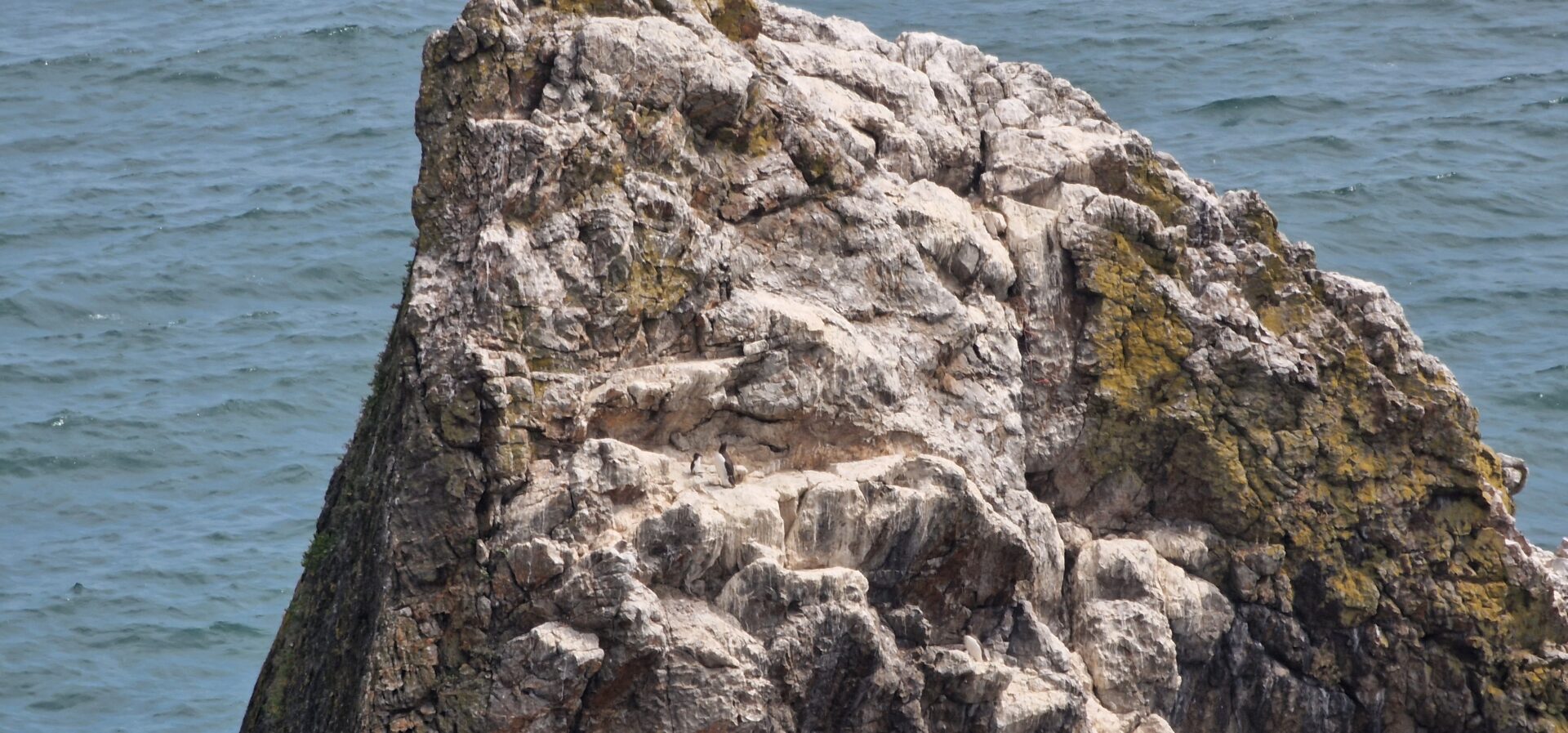
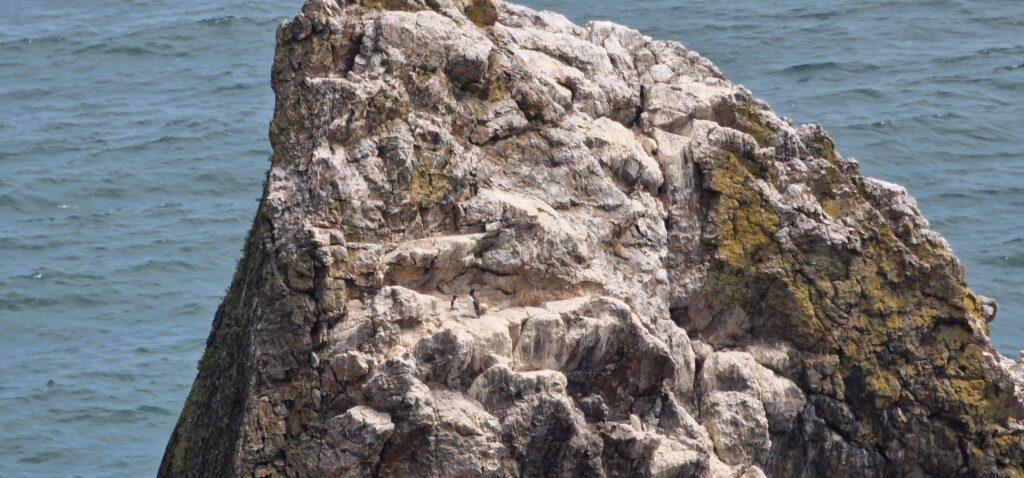
Empty cliff faces greeted us this week as half our study plots were completely devoid of birds. For the auks, that’s a sign of chicks fledging. For other birds, it’s a sign of nests failing.
Kittiwakes have abandoned their unsuccessful cliffs. Adults that stood guard over empty nests have accepted their losses and gone back out to sea. What remains of their brief homes is reduced to debris being eroded by the wind. The cliffs are a lonely sight without them.
 Nest failure is not unusual; a lot of things can go wrong between laying and fledging. Some eggs will never hatch. Disruptions to incubation can ruin development. Unlucky genetics can make some eggs non-viable, in which case even perfect incubation can’t help. Both eggs and chicks are vulnerable to any predators that can get to them, and disease and parasites inevitably take a toll. And, of course, parents have to be able to find enough food for growing chicks. If fish are scarce, starvation is a very real possibility.
Our empty kittiwake cliffs are likely the result of predation. The areas where all kittiwakes have vanished are among the most exposed, and we have frequently observed predators (corvids, bigger gulls, and even peregrine falcon) at many of them. They’re also the same areas that failed completely in previous years. Why birds keep coming back to these spots when they never seem succeed in fledging chicks is a mystery. Maybe they’re inexperienced parents who haven’t figured it out yet. Or maybe they’re just making the best of it when all the better areas are full. Whatever the reason, it seems the odds are never on their side on these particular plots.
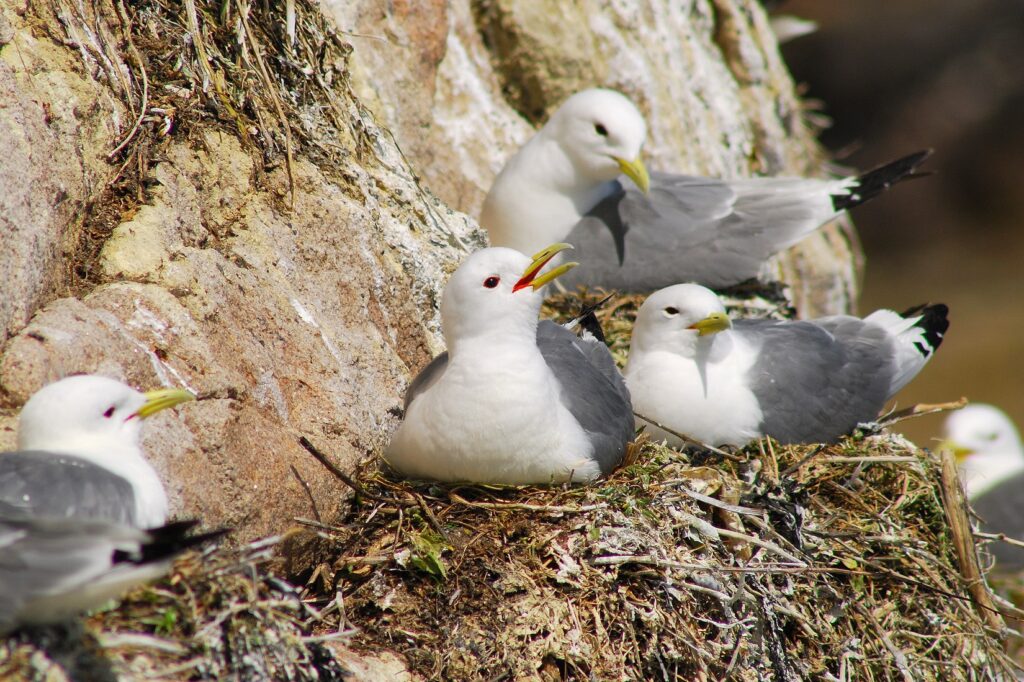 It’s not all bleak everywhere, though. Those plots that are not as exposed have kittiwake chicks that are starting to think about flying, stretching and flapping their slightly-too-short wings in preparation for their first time in the air. It’s like watching them getting ready for their first day at school.
These successful plots are vital. Black-legged kittiwakes are a red-listed species in Ireland and in decline around the world. Climate change and damage to prey habitats mean there’s not enough small fish to secure their food supply, and populations have been falling for decades. Here on the east coast, the fate of our kittiwake population rests on those birds clever or lucky enough to nest in areas that escape the worst of predation. That’s a lot of responsibility our young birds are carrying on their first flight.