PeacePlus Nature is an ambitious programme to tackle the decline in priority species and habitats in Northern Ireland and the border counties of Ireland. PeacePlus Nature a project supported by PEACEPLUS, a programme managed by the Special EU Programmes Body (SEUPB).
About PeacePlus Nature
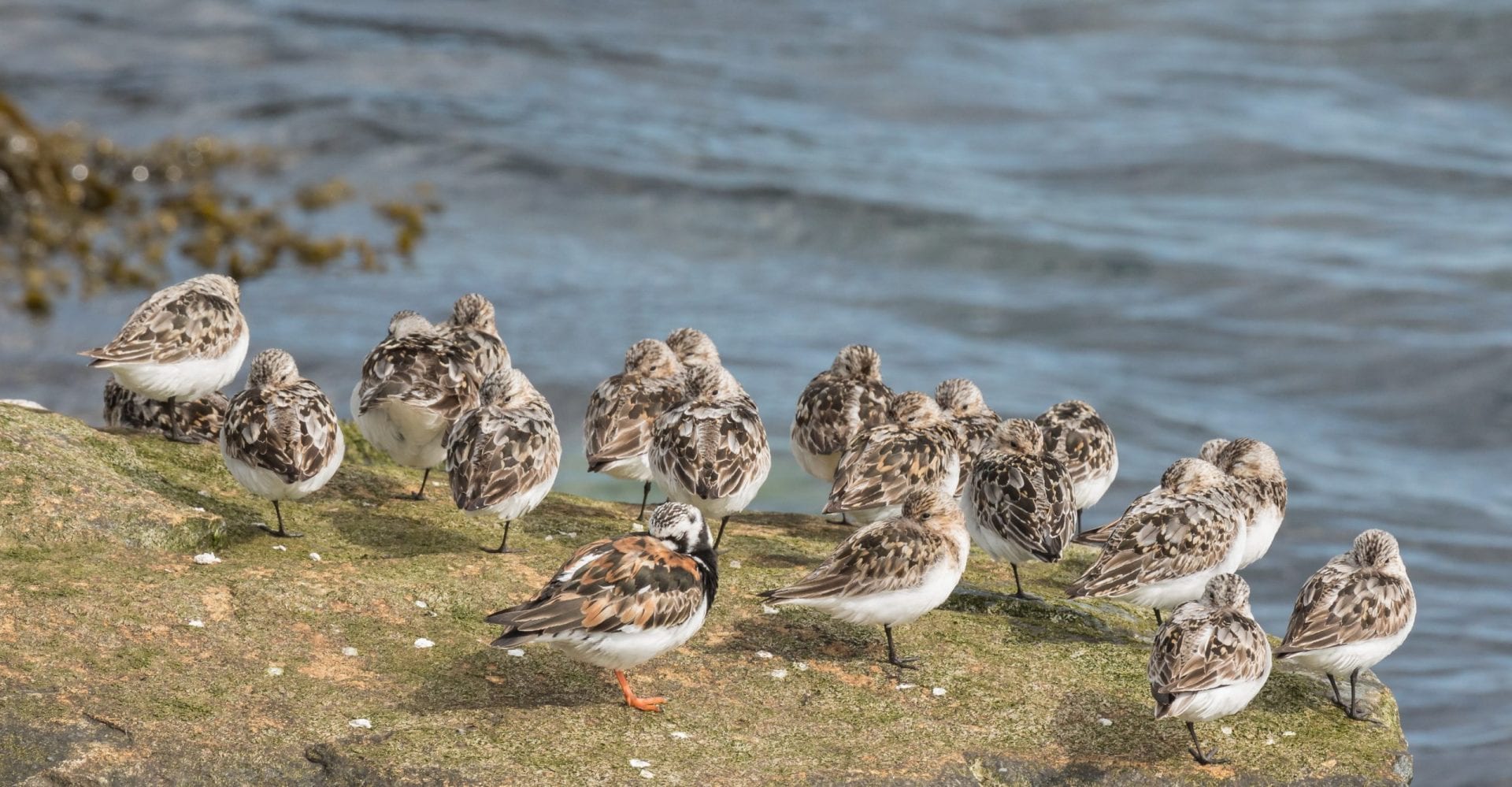
BirdWatch Ireland is one of nine partners in a coalition led by RSPB NI to draw down €20m over the next four years to deliver PeacePlus Nature. BirdWatch Ireland’s main focus in the project will be the protection and conservation of breeding waders in Co. Donegal. This follows on from the work undertaken in previous Interreg projects – the Halting Environmental Loss Project (HELP, 2011-2014) and the Cooperating Across Borders for Biodiversity (CABB) Project (2017-2022), when we established a network of predator exclusion fences at key breeding wader sites, undertook habitat management and monitored populations.
PeacePlus Nature will build on our success and knowledge gained from HELP and CABB, whilst also taking on some new challenges. Our main areas of work over the next four years are outlined below.
1. Continued management of predator exclusion fences to protect and important breeding colonies.
Predator fences exclude mammalian predators from nesting areas, increasing the chances of birds rearing their young successfully. We will be replacing and upgrading two of the oldest fences, at Magheragallon and Rinmore, installed in 2012/13 and will ensure all our fences are fully operational during the breeding season through weekly checks and monitoring.
2. Control of predators
In addition to the fences, we will also employ a Conservation Keeper to undertake predator control, particularly of corvids at key sites in west Donegal and on Tory. The Keeper will work with the existing network of keepers employed by the Breeding Wader EIP, Life on Machair and NPWS, to ensure synergies of effort.
3. Wardening and management on Tory Island.
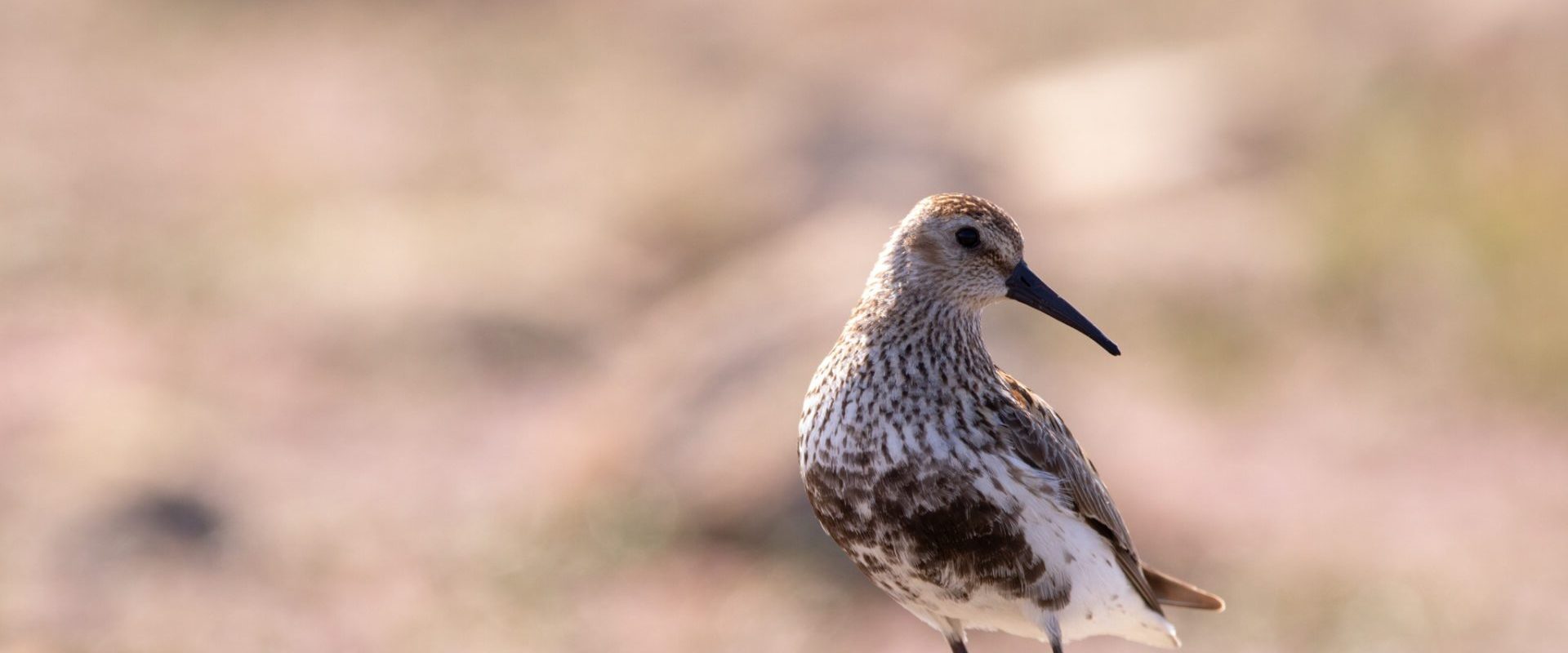
Tory Island is the most important site for breeding waders in the north west of Ireland, still supporting over 100 pairs and being the only site in the network to support breeding Dunlin, with about 4 breeding pairs annually. Thanks to support from Donegal County Council through the NPWS Local Biodiversity Action Fund, we were able to continue monitoring breeding waders on Tory after CABB finished in 2022; in 2024, we recorded 125 pairs, down from 172 in 2017. Predation and disturbance are likely to be the main causes. We will be employing a Warden for the island, who will work with visitors and the island community to reduce the impacts of recreation and disturbance. They will also undertake research into the causes of breeding failure.
4. Monitoring of populations
We will continue to monitor key sites every year, which will help us identify successful outcomes and also areas where more intervention is needed. In 2028, we will undertake a full census of all 35 sites which we have been monitoring through HELP and CABB.
5. Stakeholder engagement
We will be engaging closely with the other stakeholders who are working towards the protection and management of breeding waders in the north west. We will continue to work closely with NPWS – the predator fence at Long Point is on NPWS-leased land, and NPWS, along with the Breeding Wader EIP, will be replacing the predator fence at Sheskinmore, installed by BirdWatch Ireland in 2013 and which is partly on BirdWatch Ireland land. We will continue to liaise with the Breeding Wader EIP and Life on Machair to ensure synergies of effort and conservation delivery. We are already partners with Donegal Acres, which works with farmers and advisors in the Donegal Cooperation Projects (CP) area on behalf of DAFM. For some farmers, we may undertake small scale works to improve habitats.
Project Partners
As well at the Lead Partner – RSPB NI and BirdWatch Ireland, the other project partners include Butterfly Conservation, Monaghan County Council, River Blackwater Catchment Trust, Truagh Development Association, Lough Neagh Partnership, NI Water and An Taisce. These partners will be working together, learning from each other and sharing best practice on an exciting range of projects to restore priority habitats such as upland blanket bog and lowland wet grassland and priority species, including breeding waders, chough, corncrake, marsh fritillary and other species.
We are very much looking forward to getting started on this ambitious programme of work in the coming months – we have much to do to get everything ready for the 2026 breeding season and beyond. There will be regular project updates as we go and we look forward to sharing our success with our members and supporters.
Supported By

PeacePlus Nature is supported by PEACEPLUS, a programme managed by the Special EU Programmes Body (SEUPB).
PEACEPLUS is supported by the European Regional Development Fund and the UK and Irish Governments.