Have the parks and gardens felt a little…quiet? Every year, from July to October, we get dozens of phone calls and emails from concerned birdwatchers wondering where our garden birds have gone. But do not fret—this disappearing act is part of a natural cycle, similar to the way leaves fall in autumn and bud in the spring. From nesting duty, feasting and moulting, summer and autumn are busy for our birds. Let’s break down what’s happening.
Noises and Nests
Breeding season is a busy season. Timing of breeding varies between species, with some starting as early as January and others extending well into September. Initially, it’s a very active and noisy period. This is when we hear the Dawn Chorus, as birds spread around the countryside into their territories and are doing their best to show off to potential mates and potential rivals. They’re doing their best to make themselves known! While there’s a peak in April and May, many songbird species nest more than once, and some migrants arrive a bit later, so the singing lingers for a few months. Later in the year, the airwaves go quiet when breeding season is all wrapped up.
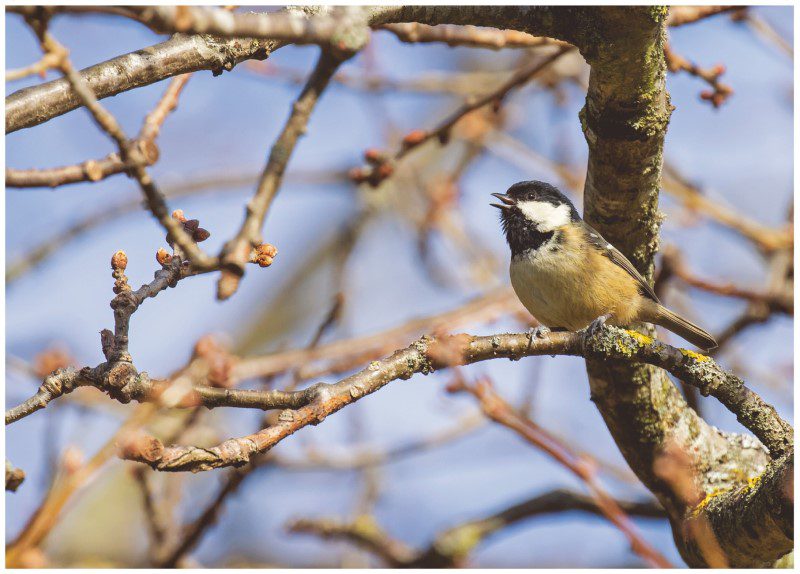
In addition to finding a mate, our birds need to build a nest, lay and incubate eggs, and then spend several weeks frantically trying to feed their hungry broods. Adults can’t venture too far from the nest, or they run the risk of losing their territory or mate, a predator could find the eggs, or the chicks could go hungry. Even after nesting season ends, birds shift into moulting season—which can start as early as July for some species. So, even though it’s the peak of summer, bird activity begins to dwindle.
An important note here: adults don’t rely on bird feeders to provide for their young, as they usually stick to a diet of protein-rich invertebrates for growing chicks. We are strongly urging people to move away from using bird feeders between May 1st and October 31st to reduce the spread of the disease trichomonosis, which has been having a devastating impact on finches, in particular.
Food Availability
Once nesting season has come to a close, the empty nesters are now free to fly as far and wide as they want in search of food, and their fledglings can start to explore the countryside. Between the plump berries, ripe fruit, crunchy tree seeds, and juicy insects, birds have the freedom to move from their nesting sites to whatever areas they can find with natural food sources. For some species, that could also mean fluttering to farmlands for a buffet of grain before and after the harvest. It’s not until these food sources are depleted that more activity around garden feeders picks up, which may not be until wintertime. This behaviour also leads to the formation of flocks, roving around the countryside looking for food together, which leads to an ‘all or nothing’ feeling – some places have lots of birds and others appear to have none.
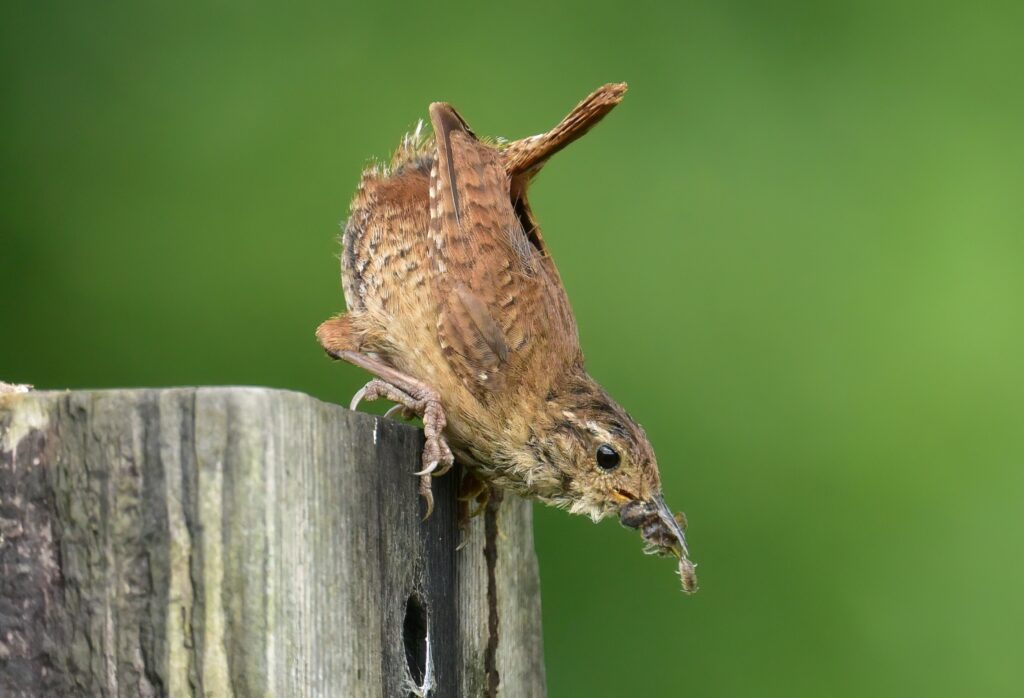
© Wren, Paul Dempsy
Pro tip: if you would like to attract more birds to your area, try planting native shrubs and trees that provide good resources. Species like bramble, hawthorn, rowan, crab apple and holly are all good for autumn feeding.
Going Through Changes
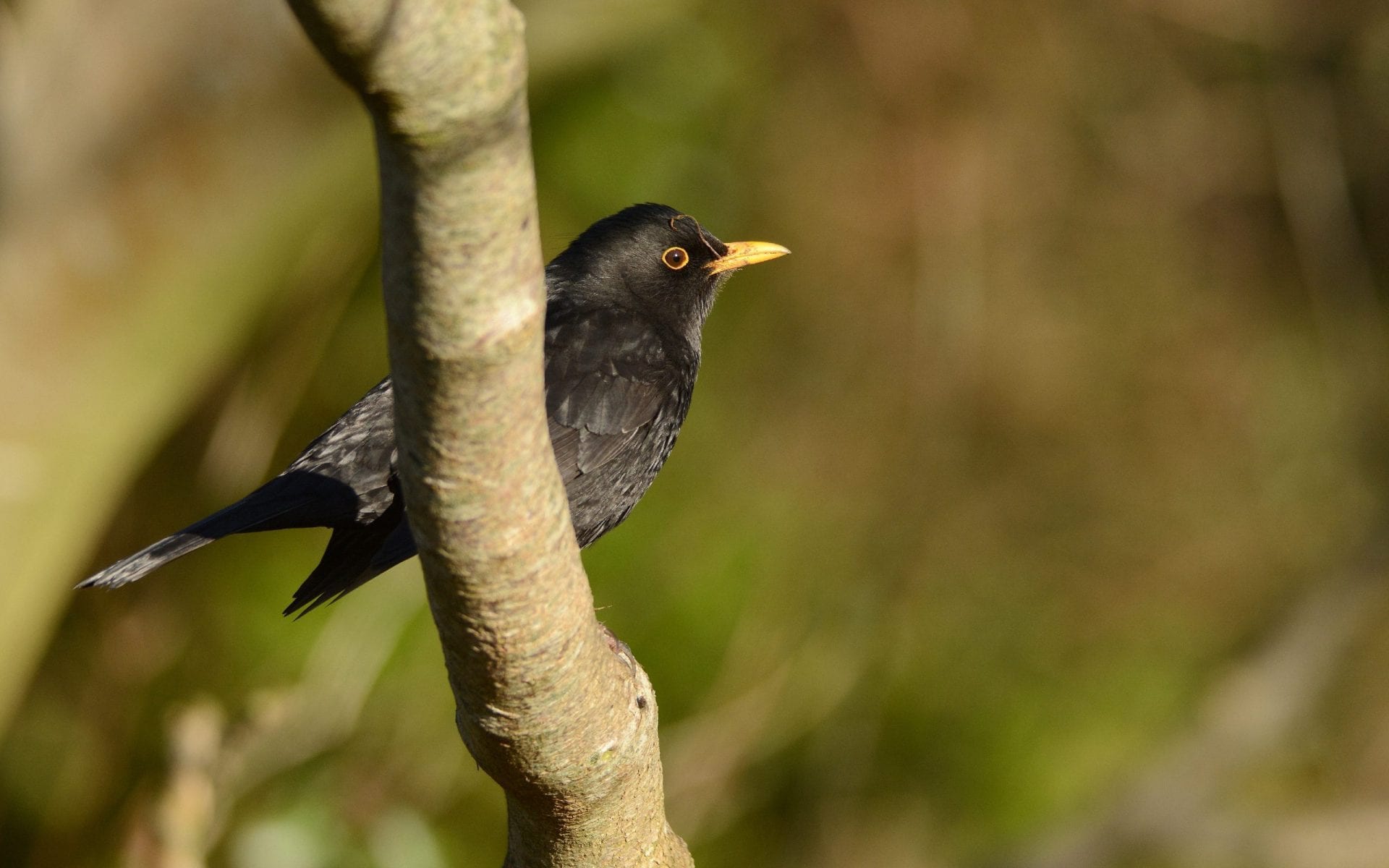
After a long breeding season, it’s not just the juveniles that get a change of feathers. Moulting is an important process in which adult birds replace every single feather, preparing them for a warm and healthy winter. It can take 4 to 8 weeks for a complete moult, and late–breeding species such as the Goldfinch, Greenfinch, and Blackbird will contribute to the “quiet” autumn period. The temporary loss of feathers leaves them less agile and more vulnerable to pred
ators. Because of this, birds will keep a low profile until the moulting process is complete. They’re still there, even if you can’t see them. Most juvenile birds do a ‘partial post-juvenile’ moult, so will replace most of their feathers, but not all. This is how bird ringers can distinguish between juvenile and adult birds in the winter months.
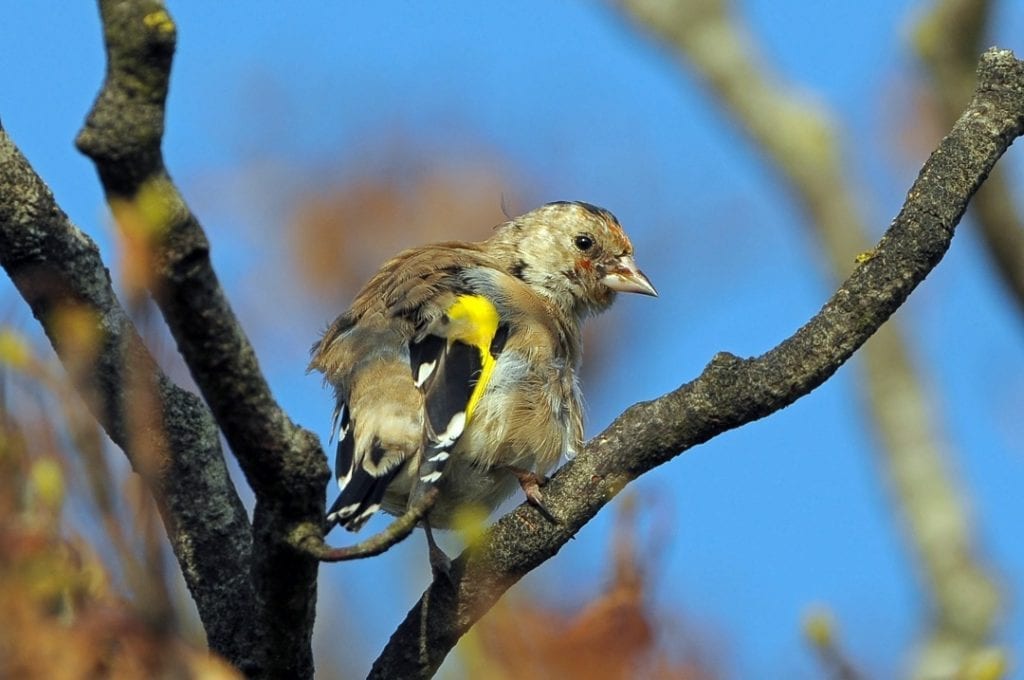
© Goldfinch, Colum Clarke
When will the birds return to my garden?
As the nesting and moulting periods vary depending on the species, there isn’t a set time when the birds come back to the gardens and green spaces. It will also depend on factors such as weather and natural food availability, and you might find you get some busy weeks and some quiet weeks, with a high degree of unpredictability. Rest assured that your birds will return gradually over the coming weeks and months. Generally, we see that a lot of natural food sources are depleted by around December, so this is when you’ll really see an uptick in birds on your garden feeders, and it’s also no coincidence that our Irish Garden Bird Survey starts then too!