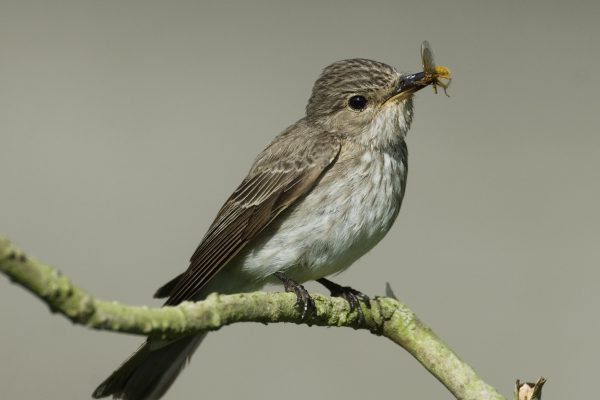
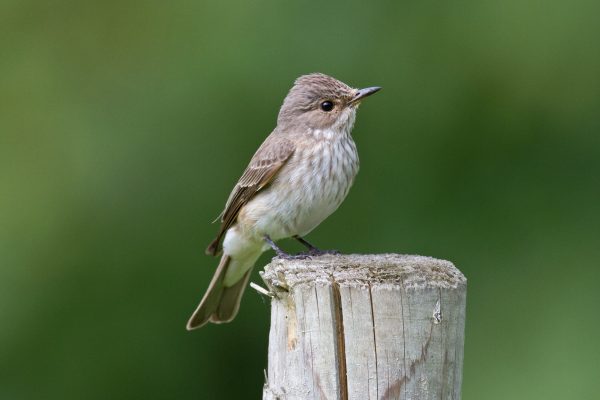
Spotted Flycatcher
| Irish Name: | Cuilire liath |
| Scientific name: | Musciapa striata |
| Bird Family: | Flycatchers (chats) |
amber
Conservation status
Conservation status
Status
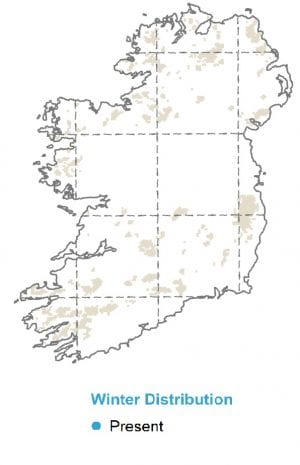
A widespread summer visitor from May to September.
Identification
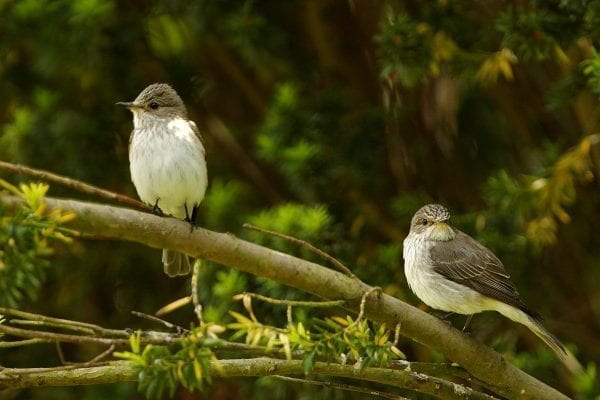
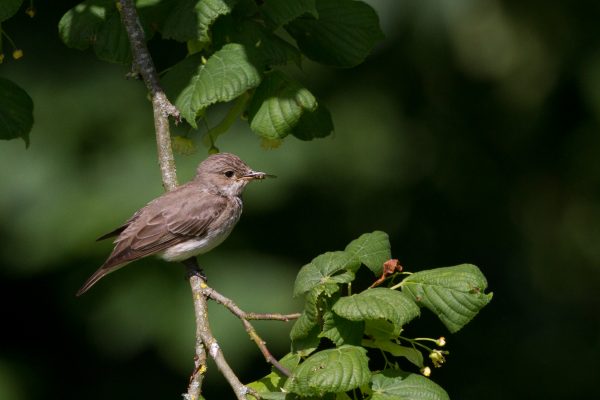
Slightly larger than a Robin and a rather non-descript species. Ages and sexes appear largely the same. The head, back, wings and tail are dark grey, while the the undersides are whiteish with extensive grey streaking. Juveniles have some white centers to the feathers on the wing and back. When perched, has a distinctive long-tailed and large-headed shape.
Voice
The call is a quiet and unobtrusive “zee”. The song is similarly unremarkable and rather infrequently heard.
Diet
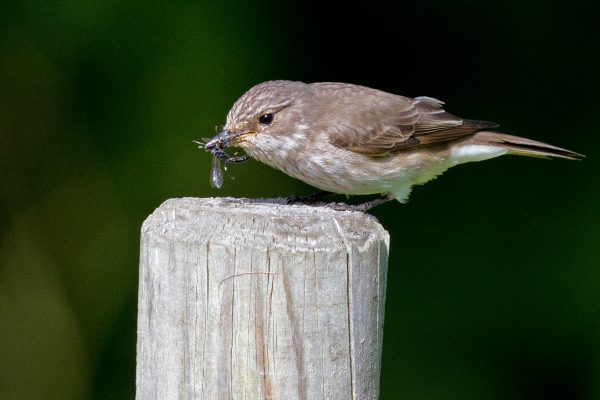
Insects caught in flight. Usually perches on an exposed branch in a woodland clearing, darting out to catch any passing insects.
Breeding
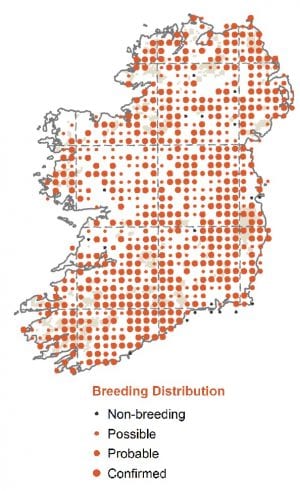
Spotted Flycatchers are a widespread breeding bird in broadleaf woodlands, well-vegetated hedgerows, parks and gardens. Will use nestboxes.
Wintering
Spotted Flycatchers winter in central and southern Africa.
Monitored by
Widespread summer visitor and passage migrant to Ireland
Winters in tropical Africa.
Blog posts about this bird
A Feathered Farewell
[vc_row type="in_container" full_screen_row_position="middle" column_margin="default" column_direction="default" column_direction_tablet="default" column_direction_phone="default" scene_position="center" text_color="dark" text_align="left" row_border_radius="none" row_border_radius_applies="bg" row_position_desktop="default" row_position_tablet="inherit" row_position_phone="inherit" overflow="visible" overlay_strength="0.3" gradient_direction="left_to_right" shape_divider_position="bottom" bg_image_animation="none"][vc_column column_padding="no-extra-padding" column_padding_tablet="inherit" column_padding_phone="inherit" column_padding_position="all" flex_gap_desktop="10px" column_element_direction_desktop="default" column_element_spacing="default" desktop_text_alignment="default" tablet_text_alignment="default" phone_text_alignment="default" background_color_opacity="1" background_hover_color_opacity="1" column_backdrop_filter="none" column_shadow="none" column_border_radius="none" column_link_target="_self" column_position="default" gradient_direction="left_to_right" overlay_strength="0.3" width="1/1" tablet_width_inherit="default" animation_type="default" bg_image_animation="none" border_type="simple" column_border_width="none" column_border_style="solid"][vc_column_text css="" text_direction="default"]It feels like yesterday that we were welcoming back our summer breeding birds. Before you know it, eggs are hatched, chicks are fledged, and our feathered friends are off again, leaving our shores. Late summer welcomes a new crowd, such as the Sooty Shearwater, Great Shearwater and the occasional Wilson’s Storm-petrel; it won't be until autumn when we see the return of our wintering waterfowl and waders. Here's our summer species sendoff and where they'll be going next. [/vc_column_text][/vc_column][/vc_row][vc_row type="in_container" full_screen_row_position="middle" column_margin="default" column_direction="default" column_direction_tablet="default" column_direction_phone="default" scene_position="center" text_color="dark" text_align="left" row_border_radius="none" row_border_radius_applies="bg" row_position_desktop="default" row_position_tablet="inherit" row_position_phone="inherit" overflow="visible" overlay_strength="0.3" gradient_direction="left_to_right" shape_divider_position="bottom" bg_image_animation="none"][vc_column column_padding="no-extra-padding" column_padding_tablet="inherit" column_padding_phone="inherit" column_padding_position="all" flex_gap_desktop="10px" column_element_direction_desktop="default" column_element_spacing="default" desktop_text_alignment="default" tablet_text_alignment="default" phone_text_alignment="default" background_color_opacity="1" background_hover_color_opacity="1" column_backdrop_filter="none" column_shadow="none" column_border_radius="none" column_link_target="_self" column_position="default" gradient_direction="left_to_right" overlay_strength="0.3" width="1/1" tablet_width_inherit="default" animation_type="default" bg_image_animation="none" border_type="simple" column_border_width="none" column_border_style="solid"][vc_column_text css="" text_direction="default"]
Back to the Sea
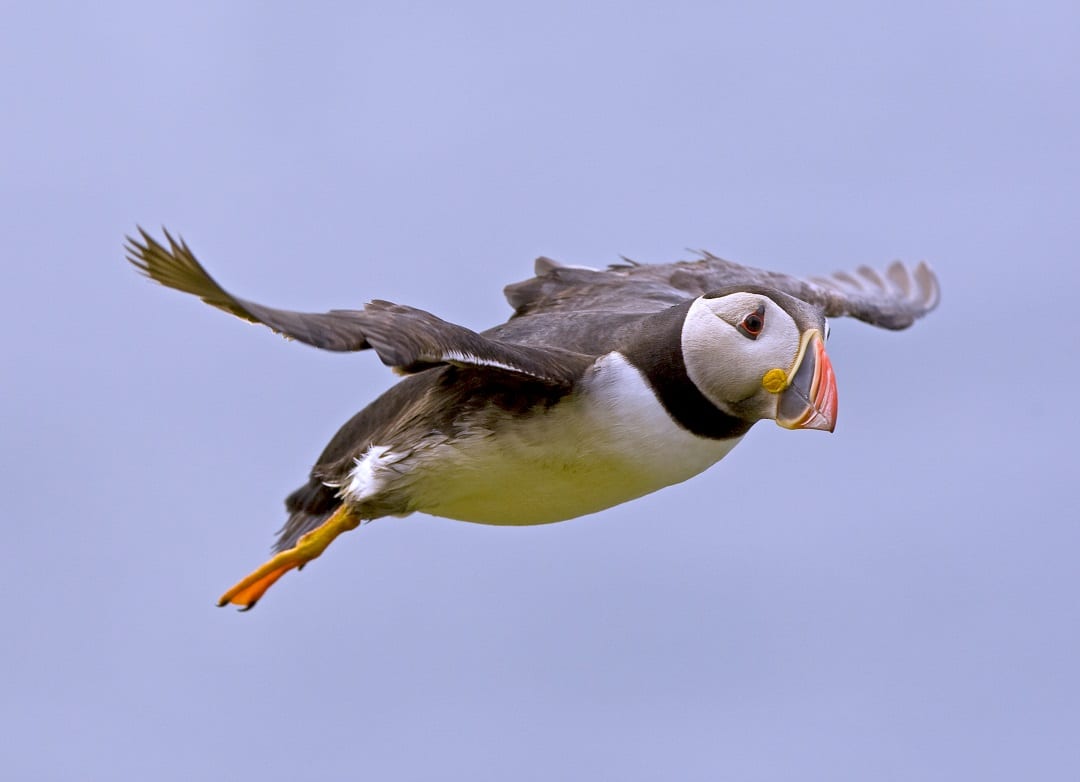
While the thought of being out at sea during the winter is enough to send some of us humans into hypothermia, it is welcome homecoming to some of our bird species. This is true for the Puffin, who disperses onto the Atlantic Ocean in the winter. Scientists are still studying exactly where they go, but according to the British Trust for Ornithology (BTO), their wintering range extends from the Northern Atlantic down to the northwest Africa. They aren't the only ones who take to the sea for our colder months. Gannets and Kittiwakes also take the high seas and spread across the Atlantic during the winter, some venturing down to the coasts of west Africa. Unlike Puffins and Kittiwakes, some Gannets stick around Ireland's coasts and can be seen throughout the year. Although not strictly a seabird, Red-necked Phalaropes migrate far off the shore, though scientists are still determining exactly where these birds go. It is suspected that the Red-necked Phalaropes which nest in Ireland are part of the population that also breeds in Iceland and the northern Scottish islands, are thought to winter on the Pacific Ocean, off the coast of Peru. Breeding populations from Scandinavian and Russian winter in the Arabian Sea. Outside of the nesting season, these wading birds live entirely at sea, feeding on plankton until the spring. [/vc_column_text][/vc_column][/vc_row][vc_row type="in_container" full_screen_row_position="middle" column_margin="default" column_direction="default" column_direction_tablet="default" column_direction_phone="default" scene_position="center" text_color="dark" text_align="left" row_border_radius="none" row_border_radius_applies="bg" row_position_desktop="default" row_position_tablet="inherit" row_position_phone="inherit" overflow="visible" overlay_strength="0.3" gradient_direction="left_to_right" shape_divider_position="bottom" bg_image_animation="none"][vc_column column_padding="no-extra-padding" column_padding_tablet="inherit" column_padding_phone="inherit" column_padding_position="all" flex_gap_desktop="10px" column_element_direction_desktop="default" column_element_spacing="default" desktop_text_alignment="default" tablet_text_alignment="default" phone_text_alignment="default" background_color_opacity="1" background_hover_color_opacity="1" column_backdrop_filter="none" column_shadow="none" column_border_radius="none" column_link_target="_self" column_position="default" gradient_direction="left_to_right" overlay_strength="0.3" width="1/3" tablet_width_inherit="default" animation_type="default" bg_image_animation="none" border_type="simple" column_border_width="none" column_border_style="solid"][image_with_animation image_url="7484" image_size="full" max_width="100%" max_width_mobile="default" animation_type="entrance" animation="None" animation_movement_type="transform_y" hover_animation="none" alignment="" border_radius="none" box_shadow="none" image_loading="default"][/vc_column][vc_column column_padding="no-extra-padding" column_padding_tablet="inherit" column_padding_phone="inherit" column_padding_position="all" flex_gap_desktop="10px" column_element_direction_desktop="default" column_element_spacing="default" desktop_text_alignment="default" tablet_text_alignment="default" phone_text_alignment="default" background_color_opacity="1" background_hover_color_opacity="1" column_backdrop_filter="none" column_shadow="none" column_border_radius="none" column_link_target="_self" column_position="default" gradient_direction="left_to_right" overlay_strength="0.3" width="1/3" tablet_width_inherit="default" animation_type="default" bg_image_animation="none" border_type="simple" column_border_width="none" column_border_style="solid"][image_with_animation image_url="9082" image_size="full" max_width="100%" max_width_mobile="default" animation_type="entrance" animation="None" animation_movement_type="transform_y" hover_animation="none" alignment="" border_radius="none" box_shadow="none" image_loading="default"][/vc_column][vc_column column_padding="no-extra-padding" column_padding_tablet="inherit" column_padding_phone="inherit" column_padding_position="all" flex_gap_desktop="10px" column_element_direction_desktop="default" column_element_spacing="default" desktop_text_alignment="default" tablet_text_alignment="default" phone_text_alignment="default" background_color_opacity="1" background_hover_color_opacity="1" column_backdrop_filter="none" column_shadow="none" column_border_radius="none" column_link_target="_self" column_position="default" gradient_direction="left_to_right" overlay_strength="0.3" width="1/3" tablet_width_inherit="default" animation_type="default" bg_image_animation="none" border_type="simple" column_border_width="none" column_border_style="solid"][image_with_animation image_url="229812" image_size="full" max_width="100%" max_width_mobile="default" animation_type="entrance" animation="None" animation_movement_type="transform_y" hover_animation="none" alignment="" border_radius="none" box_shadow="none" image_loading="default"][/vc_column][/vc_row][vc_row type="in_container" full_screen_row_position="middle" column_margin="default" column_direction="default" column_direction_tablet="default" column_direction_phone="default" scene_position="center" text_color="dark" text_align="left" row_border_radius="none" row_border_radius_applies="bg" row_position_desktop="default" row_position_tablet="inherit" row_position_phone="inherit" overflow="visible" overlay_strength="0.3" gradient_direction="left_to_right" shape_divider_position="bottom" bg_image_animation="none"][vc_column column_padding="no-extra-padding" column_padding_tablet="inherit" column_padding_phone="inherit" column_padding_position="all" flex_gap_desktop="10px" column_element_direction_desktop="default" column_element_spacing="default" desktop_text_alignment="default" tablet_text_alignment="default" phone_text_alignment="default" background_color_opacity="1" background_hover_color_opacity="1" column_backdrop_filter="none" column_shadow="none" column_border_radius="none" column_link_target="_self" column_position="default" gradient_direction="left_to_right" overlay_strength="0.3" width="1/1" tablet_width_inherit="default" animation_type="default" bg_image_animation="none" border_type="simple" column_border_width="none" column_border_style="solid"][vc_column_text css="" text_direction="default"]Mainland Africa
Common Swifts, one of Ireland's fastest bird species, are like the forementioned seabirds in that they too don't touch land in the winter, but they aren't in the ocean, either. Instead, they are flying high above sub-Saharan Africa, never landing until they return back to their breeding grounds. While in the African skies, they follow the rains, taking advantage of insect increases after rainfall. Another insect-chasing (literally in its name) bird, the Spotted Flycatcher, heads south to central and southern Africa for the winter season. Research has shown that some individuals fly as far south as Namibia, a hefty 7,000 km from their breeding grounds. This distance rivals that covered by the Wheatear, which has one of the longest migrations of any songbird. Birds breeding in north-eastern Canada fly almost non-stop across the Atlantic Ocean to their sub-Saharan wintering grounds. [/vc_column_text][/vc_column][/vc_row][vc_row type="in_container" full_screen_row_position="middle" column_margin="default" column_direction="default" column_direction_tablet="default" column_direction_phone="default" scene_position="center" text_color="dark" text_align="left" row_border_radius="none" row_border_radius_applies="bg" row_position_desktop="default" row_position_tablet="inherit" row_position_phone="inherit" overflow="visible" overlay_strength="0.3" gradient_direction="left_to_right" shape_divider_position="bottom" bg_image_animation="none"][vc_column column_padding="no-extra-padding" column_padding_tablet="inherit" column_padding_phone="inherit" column_padding_position="all" flex_gap_desktop="10px" column_element_direction_desktop="default" column_element_spacing="default" desktop_text_alignment="default" tablet_text_alignment="default" phone_text_alignment="default" background_color_opacity="1" background_hover_color_opacity="1" column_backdrop_filter="none" column_shadow="none" column_border_radius="none" column_link_target="_self" column_position="default" gradient_direction="left_to_right" overlay_strength="0.3" width="1/3" tablet_width_inherit="default" animation_type="default" bg_image_animation="none" border_type="simple" column_border_width="none" column_border_style="solid"][image_with_animation image_url="87581" image_size="full" max_width="100%" max_width_mobile="default" animation_type="entrance" animation="None" animation_movement_type="transform_y" hover_animation="none" alignment="" border_radius="none" box_shadow="none" image_loading="default"][/vc_column][vc_column column_padding="no-extra-padding" column_padding_tablet="inherit" column_padding_phone="inherit" column_padding_position="all" flex_gap_desktop="10px" column_element_direction_desktop="default" column_element_spacing="default" desktop_text_alignment="default" tablet_text_alignment="default" phone_text_alignment="default" background_color_opacity="1" background_hover_color_opacity="1" column_backdrop_filter="none" column_shadow="none" column_border_radius="none" column_link_target="_self" column_position="default" gradient_direction="left_to_right" overlay_strength="0.3" width="1/3" tablet_width_inherit="default" animation_type="default" bg_image_animation="none" border_type="simple" column_border_width="none" column_border_style="solid"][image_with_animation image_url="5022" image_size="full" max_width="100%" max_width_mobile="default" animation_type="entrance" animation="None" animation_movement_type="transform_y" hover_animation="none" alignment="" border_radius="none" box_shadow="none" image_loading="default"][/vc_column][vc_column column_padding="no-extra-padding" column_padding_tablet="inherit" column_padding_phone="inherit" column_padding_position="all" flex_gap_desktop="10px" column_element_direction_desktop="default" column_element_spacing="default" desktop_text_alignment="default" tablet_text_alignment="default" phone_text_alignment="default" background_color_opacity="1" background_hover_color_opacity="1" column_backdrop_filter="none" column_shadow="none" column_border_radius="none" column_link_target="_self" column_position="default" gradient_direction="left_to_right" overlay_strength="0.3" width="1/3" tablet_width_inherit="default" animation_type="default" bg_image_animation="none" border_type="simple" column_border_width="none" column_border_style="solid"][image_with_animation image_url="3530" image_size="full" max_width="100%" max_width_mobile="default" animation_type="entrance" animation="None" animation_movement_type="transform_y" hover_animation="none" alignment="" border_radius="none" box_shadow="none" image_loading="default"][/vc_column][/vc_row][vc_row type="in_container" full_screen_row_position="middle" column_margin="default" column_direction="default" column_direction_tablet="default" column_direction_phone="default" scene_position="center" text_color="dark" text_align="left" row_border_radius="none" row_border_radius_applies="bg" row_position_desktop="default" row_position_tablet="inherit" row_position_phone="inherit" overflow="visible" overlay_strength="0.3" gradient_direction="left_to_right" shape_divider_position="bottom" bg_image_animation="none"][vc_column column_padding="no-extra-padding" column_padding_tablet="inherit" column_padding_phone="inherit" column_padding_position="all" flex_gap_desktop="10px" column_element_direction_desktop="default" column_element_spacing="default" desktop_text_alignment="default" tablet_text_alignment="default" phone_text_alignment="default" background_color_opacity="1" background_hover_color_opacity="1" column_backdrop_filter="none" column_shadow="none" column_border_radius="none" column_link_target="_self" column_position="default" gradient_direction="left_to_right" overlay_strength="0.3" width="1/1" tablet_width_inherit="default" animation_type="default" bg_image_animation="none" border_type="simple" column_border_width="none" column_border_style="solid"][vc_column_text css="" text_direction="default"]Learn More
There are more birds leaving Ireland for the season than just the ones we've listed here. Visit our page of Irish birds to discover more. [/vc_column_text][/vc_column][/vc_row]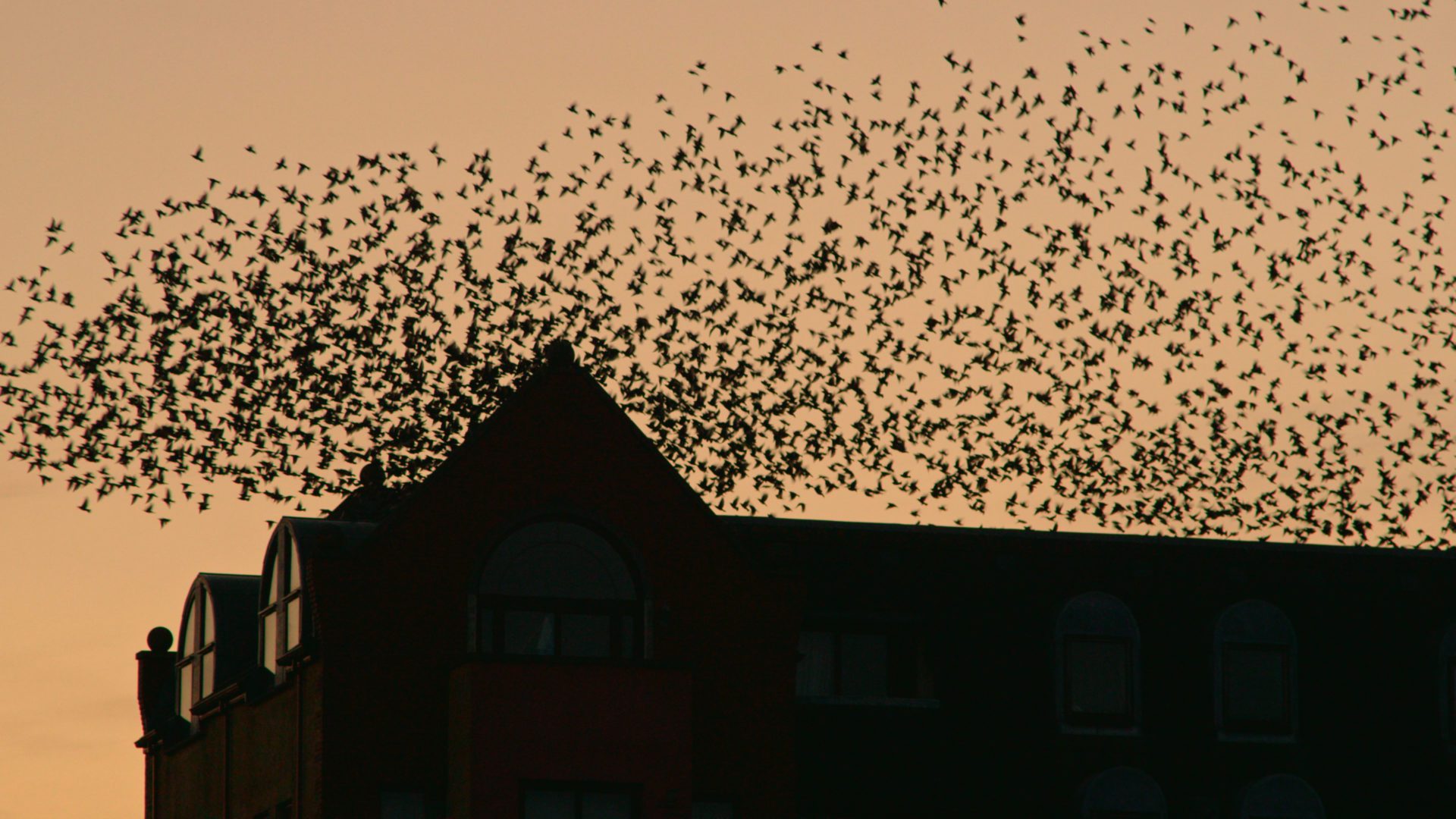
Wildlife in Buildings documentary
[vc_row type="in_container" full_screen_row_position="middle" scene_position="center" text_color="dark" text_align="left" overlay_strength="0.3" shape_divider_position="bottom" shape_type=""][vc_column column_padding="no-extra-padding" column_padding_position="all" background_color_opacity="1" background_hover_color_opacity="1" column_link_target="_self" column_shadow="none" column_border_radius="none" width="1/1" tablet_width_inherit="default" tablet_text_alignment="default" phone_text_alignment="default" column_border_width="none" column_border_style="solid"][vc_column_text]
Certain species are expected residents within our buildings, and for some the association with buildings is apparent even from their names, such as the ‘House Martin’ which builds its mud nest in the apex of the roof of occupied houses, and the ‘Barn Swallow’ which travels from Africa to nest in farmyards throughout the country. The vision of a Barn Owl floating silently from a ruined castle at dusk may seem familiar, but less expected occupants may be a pair of Kestrels nesting in a flower box outside a busy kitchen window, or a female Pine Marten raising her kits in the roof space of an occupied dwelling. Of course, much of the wildlife which use buildings go unnoticed, such as bats roosting in the attic of a house in which the inhabitants beneath remain blissfully unaware of their presence.
Given the importance of buildings for wildlife, changes to the built environment can affect wildlife associated with it. Wildlife in buildings can often be harmed during works due to a lack of awareness of their presence or indeed knowledge of how plan renovations and works in order to avoid disturbance, which is usually always possible. The loss of old stone structures due to demolition, dilapidation or renovation is linked to declines in species such as Barn Owl and Swift, which are dependent on these structures. Modern buildings do not provide the same opportunities for wildlife. However, there is a lot that we can do to improve modern buildings for wildlife to ensure that we continue to make space for nature.
BirdWatch Ireland and CrowCrag Productions in partnership with Laois County Council, Clare County Council and Tipperary County Council and supported by the National Biodiversity Action Plan Fund of the Department of Housing, Local Government and Heritage have produced a nature documentary to celebrate the wildlife which have taken up residence in the built environment, and to showcase some of our most iconic wildlife species which are reliant on buildings for their survival.
John Lusby, BirdWatch Ireland, commented, ‘We wanted to celebrate the importance of buildings for wildlife and to create a better link between our built heritage and our natural heritage – as the two are intertwined. The diversity of species which use buildings, and the ways in which they have adapted to use the built environment, is truly astonishing. As the built environment is constantly changing, we need to make sure that we avoid disturbance to sensitive species and also to continue to provide space for wildlife in buildings, which has benefits for wildlife as well as ourselves. We hope that this feature increases awareness and appreciation of the importance of the built environment for wildlife and provides the necessary information to help conserve some of our most vulnerable and iconic wildlife which are dependent on buildings for their survival’.
Roisin O’Grady, Heritage Officer with Tipperary County Council said ‘We share the world with nature and it can be closer to us than we think. Tipperary County Council is delighted to support this film highlighting the importance of our built environment, heritage or otherwise in providing shelter for such a variety of species, some of which are our most vulnerable. Given the high levels of habitat loss we have experienced over the last number of years it is more important than ever to be aware of how species have adapted to our built environment and how we can support this ‘co-habitation’ and equally important in newer development how we ‘make space’ for nature’.
Congella McGuire, Heritage Officer with Clare County Council commented ‘The Local Authority Heritage Officer Network is delighted to be associated with this Wildlife in Buildings video and the guidance booklet ‘Wildlife in Buildings: linking our built and natural heritage’ both of which were produced with the support of the Local Authorities and National Biodiversity Action Plan Fund’.
The video ‘Wildlife in Buildings: linking our built and natural heritage’ is available to view below or here: https://www.youtube.com/watch?v=5lQt3C8uI5E This video accompanies the guidance booklet on Wildlife in Buildings, which is available here: https://www.kerrycoco.ie/wildlife-in-buildings/
‘Wildlife in Buildings: linking our built and natural heritage’ was produced by BirdWatch Ireland, Kerry County Council and Donegal County Council, with funding from the Department of Housing, Local Government and Heritage through the National Biodiversity Action Plan Fund.
https://www.youtube.com/watch?v=5lQt3C8uI5E&t=782s[/vc_column_text][/vc_column][/vc_row]
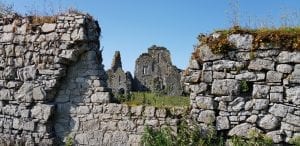 A ruined Abbey which is used by a wide range of wildlife © John Lusby
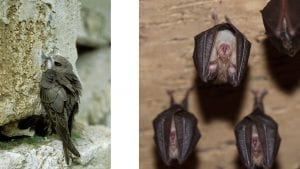 Swift © Artur Tabor, Lesser Horseshoe Bat © Ruth Hanniffy
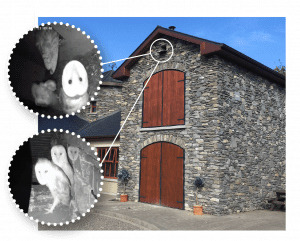 There are many ways we can improve modern buildings for wildlife such as this example, where a purpose built Barn Owl nest site was incorporated in the building
 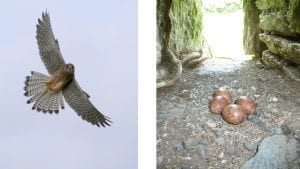 Kestrel in flight © Michael O'Clery, Kestrel nest in castle © John Lusby
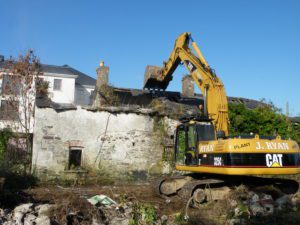 Renovations and other works on buildings can have unintended consequences for wildlife if not planned appropriately © Conor Kelleher
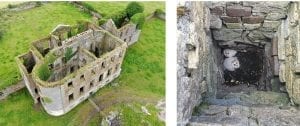 Workhouse in ruins © Michael O'Clery, Barn Owls in chimney nest © John Lusby