
Bird feeding season is back! In the wake of research and new feeding guidelines which aims to to curb the spread of a deadly disease called trichomonosis, the updated bird feeding season is 1 November to April 30. Ready to stock up on seed? Here’s some information on the different foods you can buy from our shop.
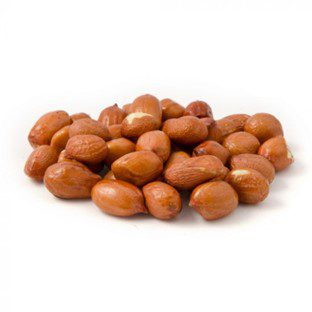
Peanuts
One of the most popular bird foods, and for good reason. They have a high calorie content (behind only sunflower hearts), are high in protein and they have no shell that birds need to wrestle off. Perfect if you want to avoid spillage and waste too. Be sure to hang them in an appropriate mesh feeder, and don’t use plastic netting bags. Take care to ensure no mouldy or shrivelled peanuts are in your feeders as these can produce aflatoxins which can kill birds. To avoid this, store them in a dry area and half-fill your peanut feeders at a time, allowing them to empty before refilling. Peanuts are popular with probably the largest range of species, including all of the tits and finches, house sparrows, and more!
Sunflower seeds
These are a good ‘standard’ food to provide if you want to cater for a variety of bird species. Sunflower seeds come in different forms – with striped shell, black shell or no shell (‘hearts’). Striped shelled sunflower seeds have a tough outer shell that’s difficult for birds to remove and they have a lower calorie content than the other varieties. Black sunflower seeds have higher oil and calorie content and a thinner shell too. Sunflower hearts are the best of the lot though as they have more oils and calories than the others, and no shell – so the birds waste no energy when eating them. They’re a bit more expensive as a result, but worth the money. Sunflower seeds should be provided in a hanging seed feeder or scattered on a flat surface.

Mixed seeds
There’s a lot of different mixed seed varieties on the market. Cheaper ones tend to include a high proportion of cereal grains that are popular with sparrows and pigeons but not much else. If you want to cater for these species (and they deserve food too!) then you’re ok, but if possible go for the mixes with better quality content as these are ultimately better value for money. There’s a great range of ‘high energy’ mixes available these days, including ones with high proportions of sunflower seeds and with added mealworms and suet pellets that are all good and will be eaten by a good variety of species.

Nyger seed
Nyjer/Nyger is a relatively new addition to the bird food market. The seeds are very fine, so are much loved by the finches that traditionally enjoy thistle seeds – most notably Goldfinches, but also Siskin and Redpoll. Nyjer requires a specialised bird feeder with smaller holes as it can be quite messy. It’s one of the more expensive foods on the market too, but is still very popular and maybe worth providing in smaller amounts than other foods (peanuts, sunflower hearts).

Fat/Suet products
There’s a big range of fat and suet products on the market, with different nutrients and ingredients added. Be wary of very cheap supermarket options that tend to be very poor in any sort of nutrients and can be quite tough for birds to eat. Don’t be afraid to make your own fatballs with beef dripping or suet, and add ingredients such as seeds, grated cheese, raisins and sultanas (see link below). Avoid hanging fatballs in the plastic netting that they sometimes come in – these are very dangerous for birds! Be sure to buy a special fatball/suet-block feeder or cage, and if your fatballs/suet-blocks don’t fit in this then break them up a bit! Don’t provide these types of food for the late spring and summer – save them for the colder months!

Fruit
Thrush species, including Blackbird, will enjoy chopped apples, pears, figs, grapes, currents, raisins, sultanas etc. Blackcaps famously enjoy halved apples stuck onto a tree branch or other spike. Cut up any larger fruits into smaller pieces so that they can be eaten with ease. As with everything, never put out anything mouldy for the birds!

Bird Feeders
Just like the variety of feed, there are a couple of ways to deliver your bird seeds. From the classic hanging feeder to ground feeding tables and window feeders, check out our shop for your next feeder.
If you decide to put out your bird feeder, we strongly urge you to follow a strict hygiene protocol. A few simple steps could go a long way in keeping our garden birds healthy:
- Clean your feeders weekly. Clear out any build-up of food and disinfect thoroughly.
- Only half-fill your feeder. This will reduce any build-up of uneaten food and make regular cleaning easier.
- Do not use flat-surface feeders. These surfaces allow a build-up of potentially infected food, droppings and regurgitated food brought up by sick birds.
- Change water in bird baths daily.
- Move your feeders to different spots in the garden regularly. This reduces the buildup of fallen food on the ground.
Happy feeding!