Rook
| Irish Name: | Rúcach |
| Scientific name: | Corvus frugilegus |
| Bird Family: | Crows |
green
Conservation status
Conservation status
Status
Resident. One of Ireland's Top 20 most widespread garden birds.
Identification
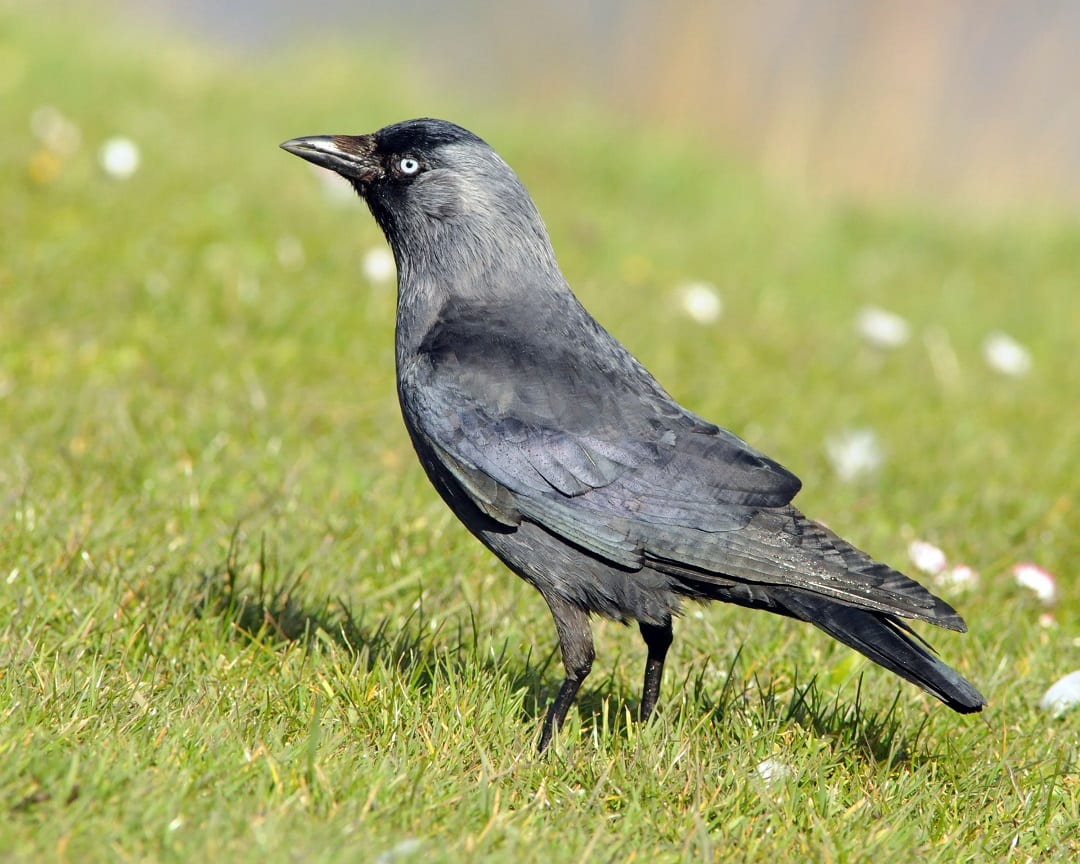
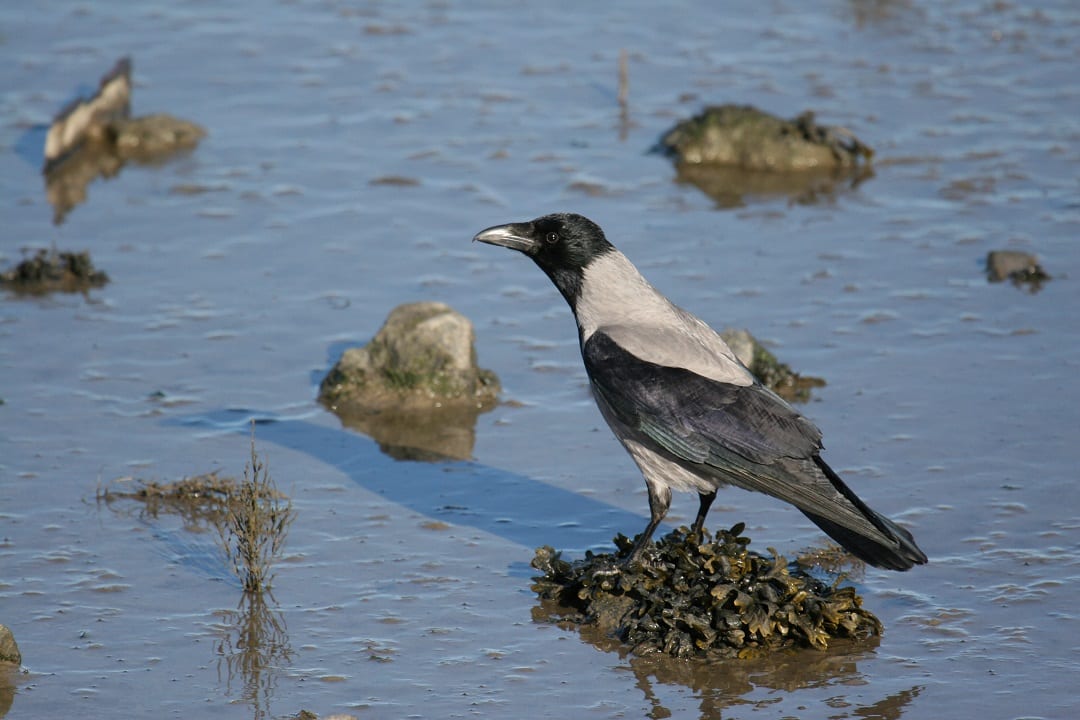
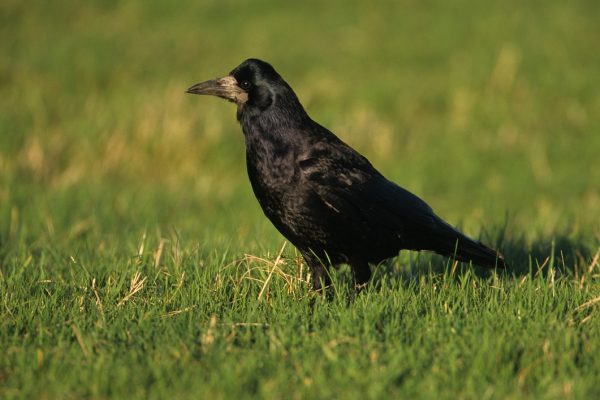
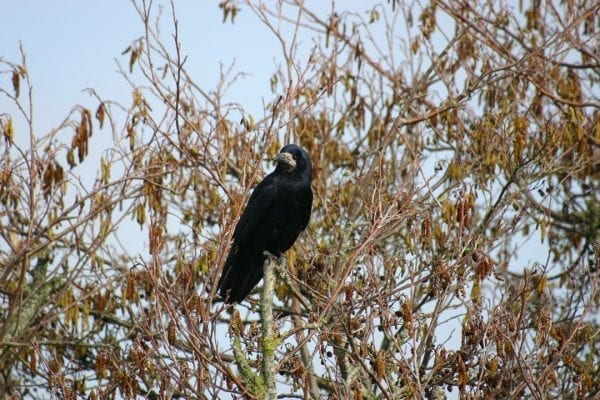
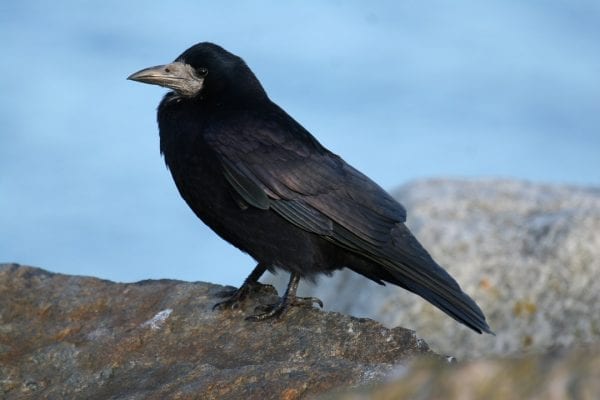
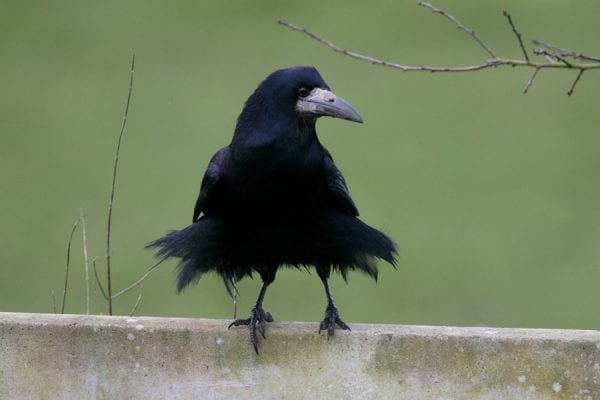
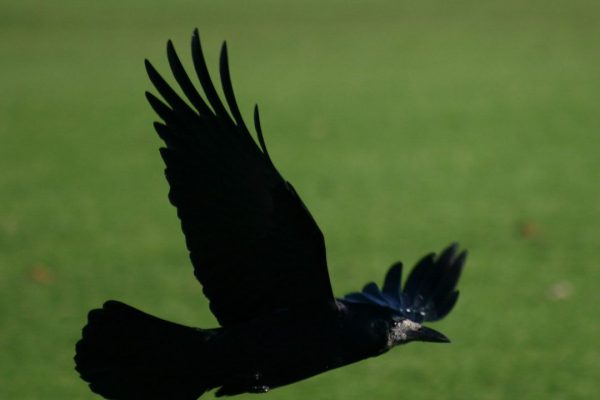
A species of crow. All crows have sturdy legs and strong bills and are intelligent and social in nature. The Rook is a familiar bird, which nests in colonies in tree tops called rookeries. About the size of a Hooded Crow, the rook is all black and in certain lights can show a reddish or purple sheen to its plumage. Told apart from other species of crow by its 'trousers' the dropping feathers on its belly and the bare skin around its bill base on the adult birds. Juveniles lack this feature, which only develops in the spring of its second year, and then they can be difficult to separate from Carrion Crows (a rare breeder in Ireland); best told apart by the more peaked crown of the Rook. Often forages in the company of other crow species, especially Jackdaws. When separating Hooded Crows and Rooks in flight, Rooks has faster and deeper wingbeats, which makes it look like they are making more effort than the Hooded Crow.
Voice
A hoarse croaking call. When given in the colony can be very loud.
Diet
Feeds mainly on invertebrates. Food also includes small vertebrates, carrion, plant material and scrapes of all kinds. Found feeding in agricultural areas on pastures, fallows, occasionally in trees. Also found in town and cities feeding on refuse and food scraps.
Breeding
Builds a untidy nest in the tops of trees, usually quite high up, but not always can be quite close to the ground if the trees are short. In the late winter rookeries are a hive of activity as birds get ready for the coming breeding season. The species is widespread and abundant in Ireland breeding in all areas, it is only absent from the centre of towns and uplands areas. Rare or absent in parts of the west coast.
Wintering
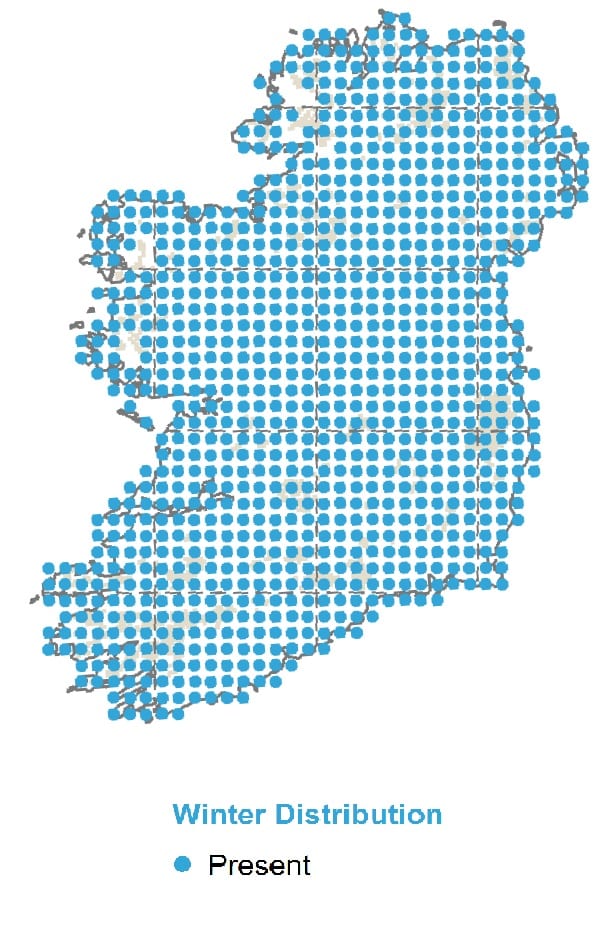
Widespread in the winter when it forms large flocks, often with Jackdaws.
Monitored by
Almost ubiquitous resident, absent only from expansive uplands. Breeds colonially in Rookeries.
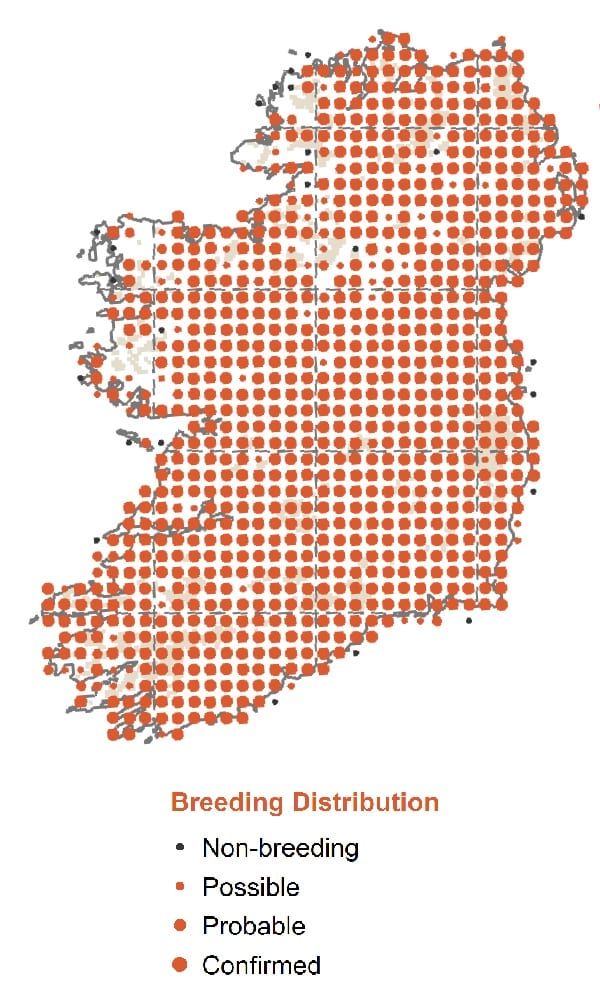
Gregarious, often in flocks numbering in the hundreds. Forms large winter roosts sometimes neighbouring with Jackdaw.
Blog posts about this bird
Do Rooks nest in your CBS square? Dr. Fionn Ó Marcaigh
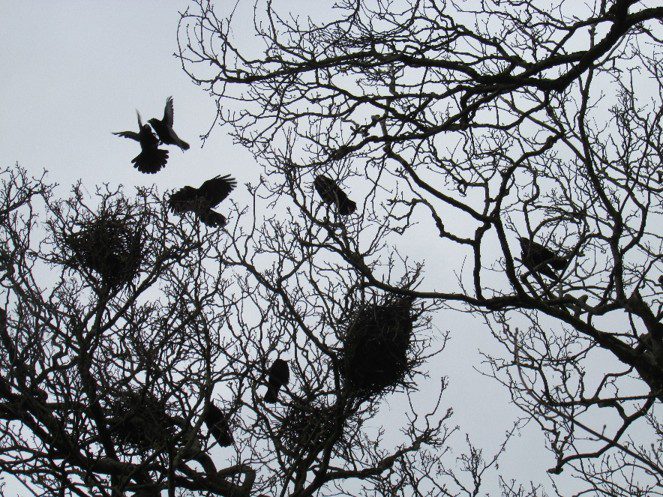
Colony counts and Rookeries: Do rooks nest in your CBS square? If so, we’d like you to take a closer look…
Dr. Fionn Ó Marcaigh, CBS Project Officer in the NPWS Scientific Advice and Research Directorate
CBS transect surveys are one part of this, so if you see any rooks on your transects, record them like any other species. You can identify a rook by its uniformly dark plumage, the patch of grey skin at the base of its bill, and the feathers around its legs that resemble a pair of baggy trousers. Although they are rather plain-looking birds overall, when seen up close or at certain angles their plumage can take on a rather pretty purplish gloss. They are vocal but not particularly musical, with a voice similar to a hooded crow’s but even more croaky and dry. The way the Collins Bird Guide puts it is that hooded crows roll their Rs and rooks don’t! While doing your transects and exploring your square, watch out for any rookeries nearby. We are particularly interested in data on rookeries as it can tell us how the breeding population is faring. At the end of your CBS Count Summary Sheet, you will find a section for Colony Counts, where you can record nest numbers in any rookeries you find. Rookeries are often found near villages and small towns, and they can be so busy and noisy, particularly in the evening, that you may hear a rookery before you see it!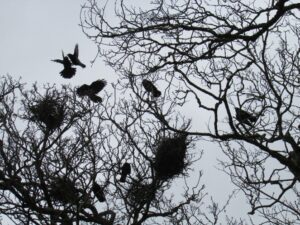
Curry Rookery by Fionn Ó Marcaigh
When you’ve found a rookery, make a count or estimate of the number of apparently occupied nests. You might find it helpful to use binoculars and look at the colony from multiple positions. You don’t need to spend too much time ascertaining whether a given nest is occupied or not, however: the overall number is what’s important. You might not be able to stop and count nests when you’re doing your main CBS transect counts, so your colony counts can be done separately from the transects and don’t have to be on the same date. You aren’t restricted to your transect routes, either: you can count colonies anywhere within your 1 km x 1 km square. CBS visits take place in the period when rooks are busy nesting, but the emerging leaves will make counting nests difficult, especially on your late visit. So if you do have a rookery in your square, consider visiting it specially and making a count before the leaves have hidden the nests. The first couple of weeks in April are often suitable. We’re grateful for the colony counting that CBS surveyors have already undertaken. In the 2024 CBS, the largest rookeries counted were in Counties Laois and Wexford, each with 220 nests. Now we’re hoping to get more and more counts, and we’d also be glad if people who have counted rookeries previously would return and count them again each year, to show any changes over time. In a way, a rookery is like a town in itself, being built up by a community of birds over years. Rooks are industrious, clever builders, and in old Irish rookeries some nests have been measured at nearly 2 metres wide. Our countryside provides ample food for these little societies. A 1984 National University of Ireland PhD thesis by Ron Macdonald found 66 rookeries in a 100 km2 area of Co. Kildare, containing nearly 5,000 nests. With typical corvid resourcefulness, rooks are adept at providing for themselves, and this sometimes involves a bit of pilfering of the local produce. In their 1900 book The Birds of Ireland, Ussher and Warren describe mobs of rooks walking along drills of turnips during crop thinning, pulling the plants up one by one, until they had gone through entire acres of them. In fact, the scarecrows that are put up to protect crops are largely aimed at rooks, more so than other corvids. Being so adaptable, however, I have also seen rooks foraging in quite different habitats, for example picking through small shellfish on the shore.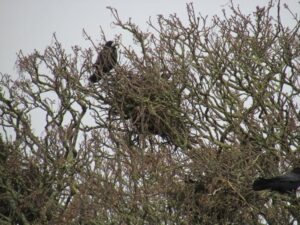 Curry Rookery by Fionn Ó Marcaigh
Conflict over crops has caused trouble for the species: as abundant as they are in Ireland, you might be surprised to learn that rooks are on the decline across Europe. In the latest European Red List of Birds published by BirdLife International in 2021, the Rook was put in the Vulnerable category, a serious change from its listing as of Least Concern in the 2015 edition, which the authors attributed to persecution. Even here in Ireland, CBS results indicate a moderate decrease in their population since 1998. This is why we are so keen to collect data on our rookeries. These birds are a quintessential part of the Irish landscape, and the data that we all provide through the CBS is an important part of understanding and protecting them.
Curry Rookery by Fionn Ó Marcaigh
Conflict over crops has caused trouble for the species: as abundant as they are in Ireland, you might be surprised to learn that rooks are on the decline across Europe. In the latest European Red List of Birds published by BirdLife International in 2021, the Rook was put in the Vulnerable category, a serious change from its listing as of Least Concern in the 2015 edition, which the authors attributed to persecution. Even here in Ireland, CBS results indicate a moderate decrease in their population since 1998. This is why we are so keen to collect data on our rookeries. These birds are a quintessential part of the Irish landscape, and the data that we all provide through the CBS is an important part of understanding and protecting them.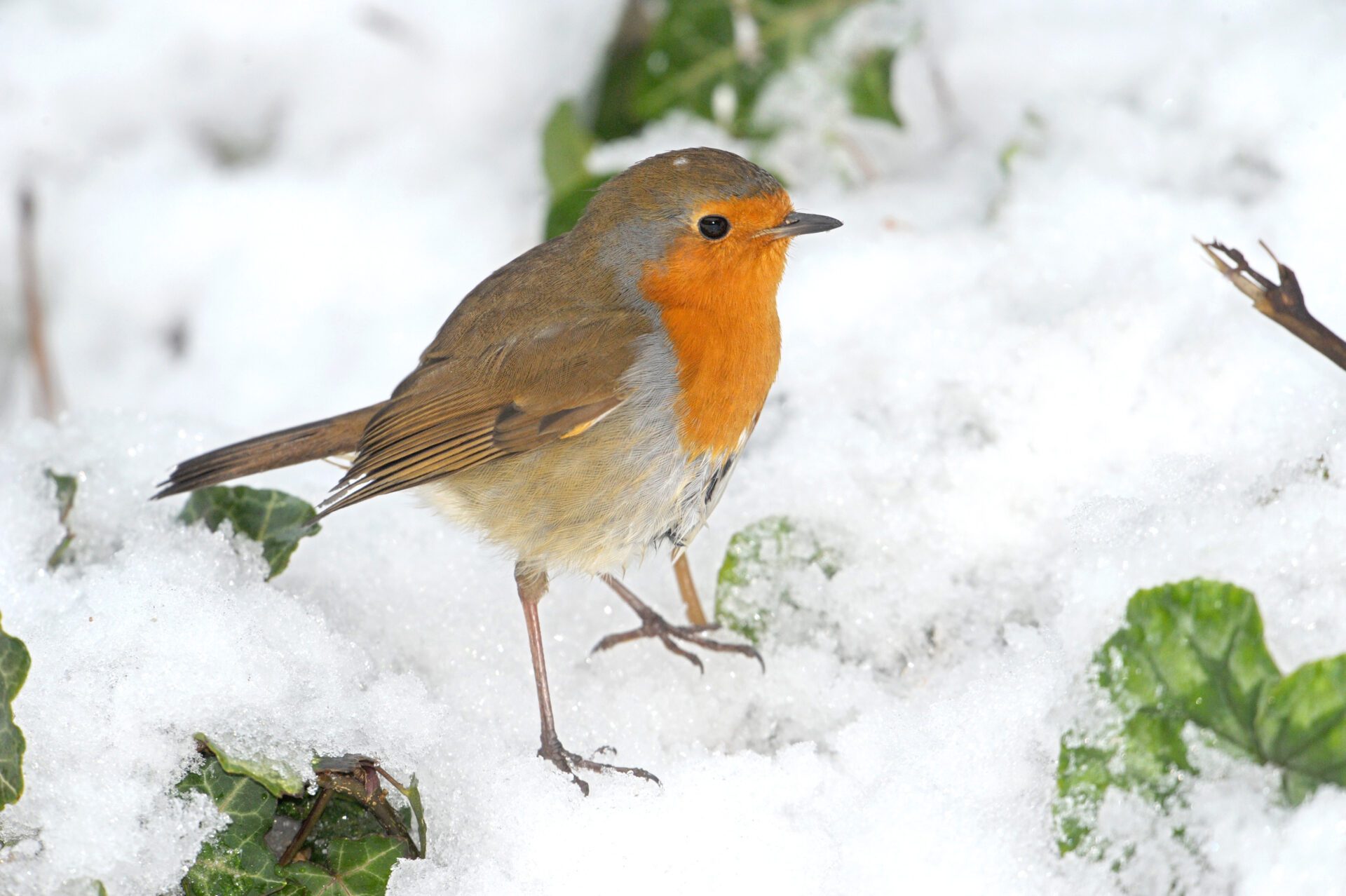
'Last Christmas' - Birds in Irish Gardens last winter
There's still time to take part in the Irish Garden Bird Survey!! See here for more details.
 If you’re a BirdWatch Ireland member you’ll have already read the results of last year’s survey in your winter edition of Wings magazine. If you’re not a member, please join and support our work! But you can catch up on last year’s Irish Garden Bird Survey results with the overview below. If this is your first year to take part in the survey, don’t worry about knowing every single species that might appear in your garden – just familiarise yourself with the most common ones to start off. If you’re a survey veteran, then see how your garden bird list compares to the national average!
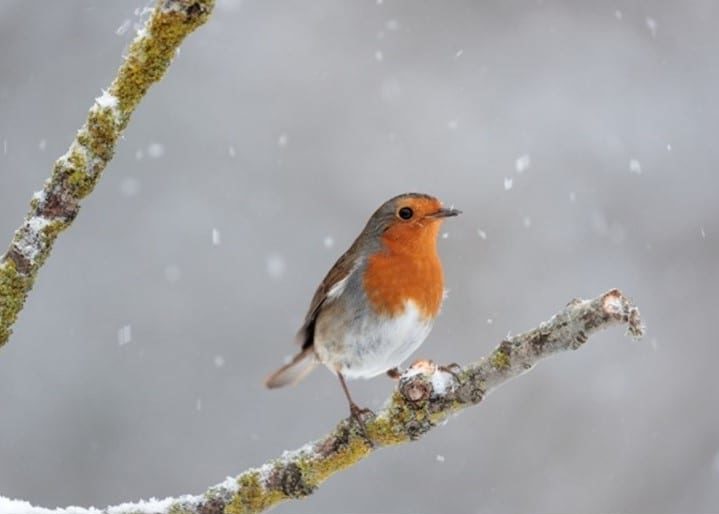
Over 90% of Irish Gardens
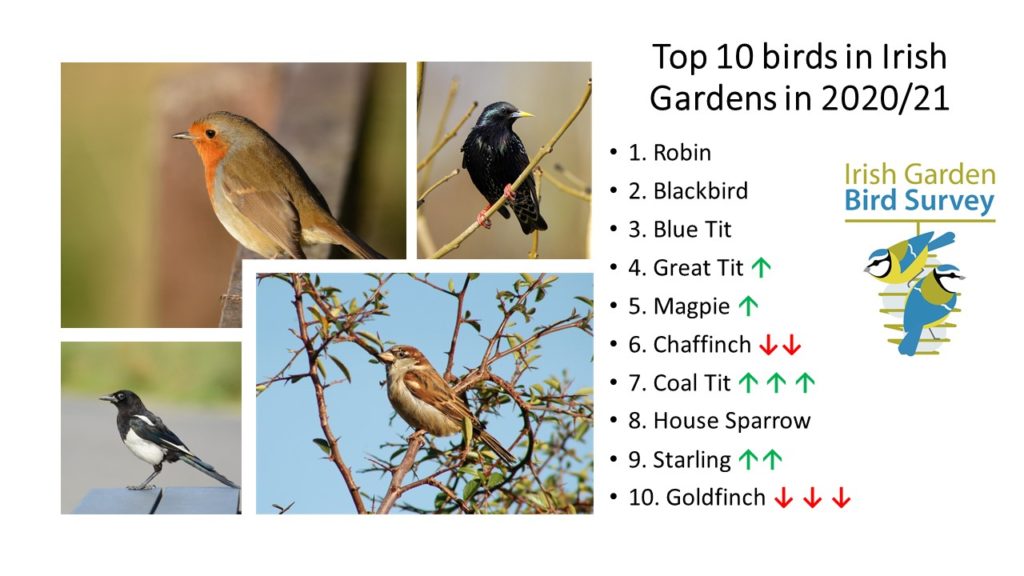
The species at the top of the list didn’t change much from previous years. Robin, as per usual, was on top, followed by Blackbird and Blue Tit. Great Tit and Magpie moved up a place each into 4th and 5th, thanks to a fall in the numbers of Chaffinch reported. Robins can still be territorial in the winter, so are pretty evenly spread across the country, while our Blackbird population is topped up by hundreds of thousands of migrants from Scandinavia in the winter, hence their high-ranking each year. Blue Tits and Great Tits are pretty ubiquitous too, and Magpies are very effective at exploiting both urban and rural habitats.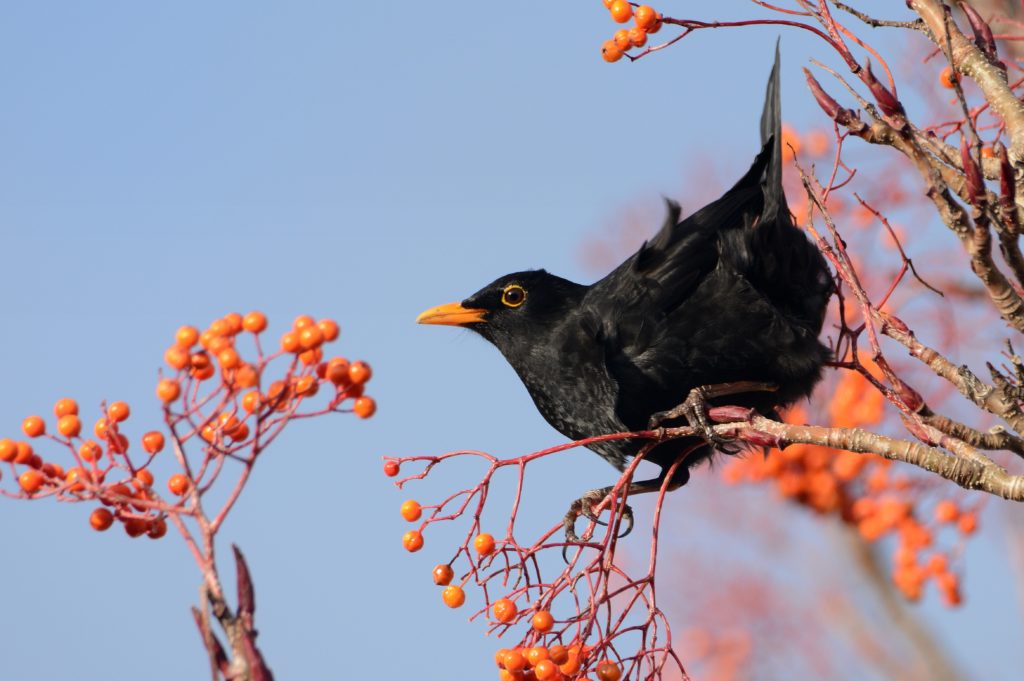
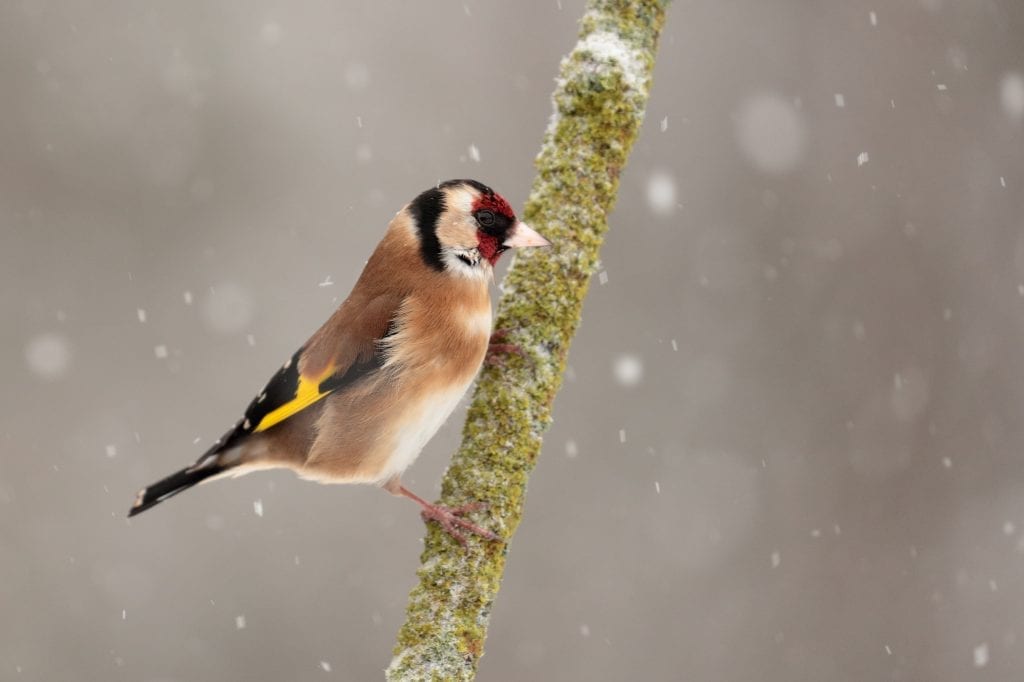
80-90% of Irish Gardens
Chaffinch and Goldfinch fell two and three places to 6th and 10th respectively, since the previous winter, and those declines were greatest in urban and suburban gardens rather than rural ones. On the back of a great breeding season, Coal Tit moved up three places to 7th place. House Sparrows kept 8th position, and Starling made it into the top 10 garden birds for the first time in a decade!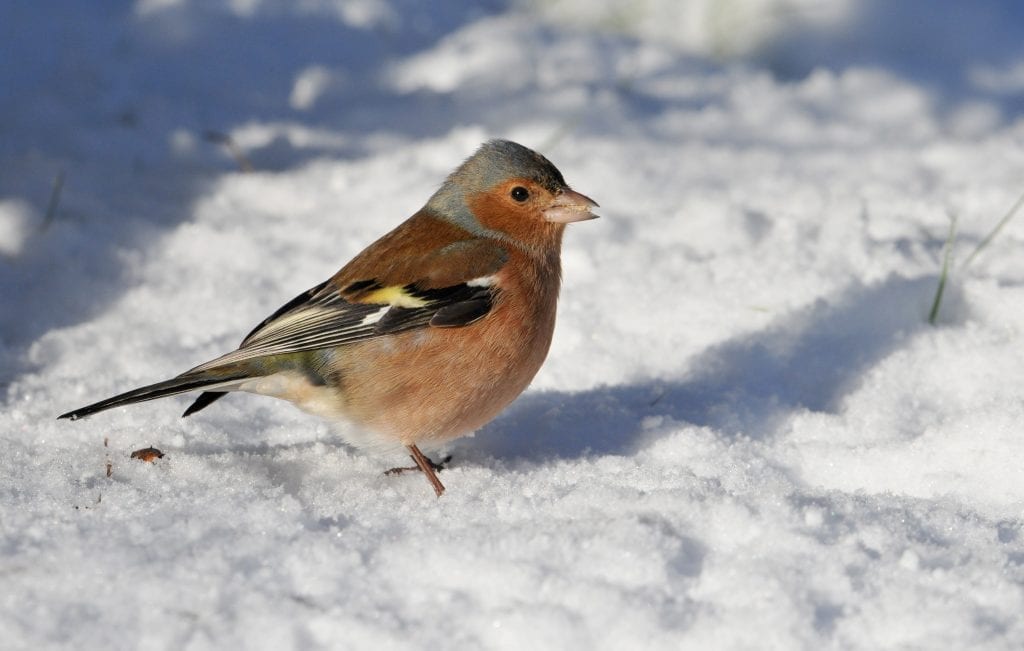
50-80% of Irish Gardens
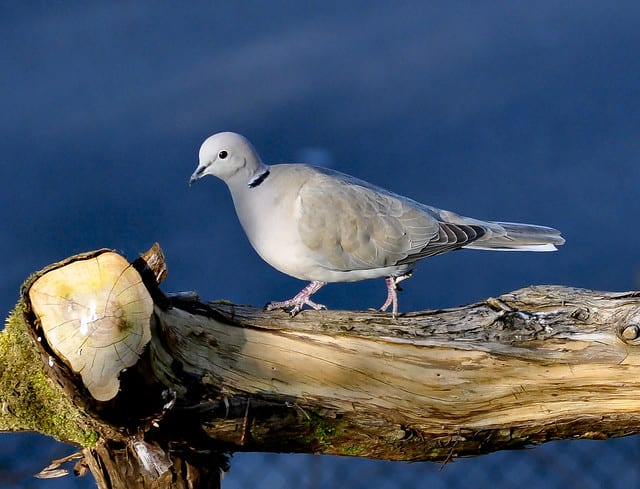
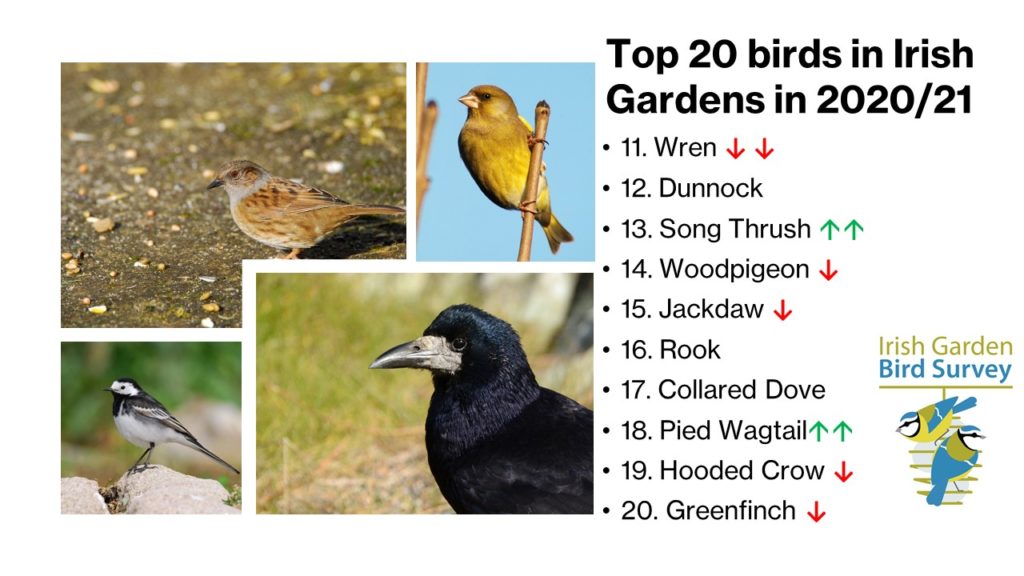
Wren dropped two places to 11th, while species such as Dunnock (12th), Rook (16th), Collared Dove (17th) all stayed in the same position as the previous winter. When a winter is pretty mild (the occasional storm excluded) we tend to see this stability in the rankings across many species. There was some slight movement for Woodpigeon (14th), Jackdaw (15th) and Hooded Crow (19th), all of which fell one place. The mild weather tends to mean these species aren’t forced to retreat to gardens for food as much as in other winters. Song Thrush increased by around 2% and jumped to places in the rankings to 13th. Pied Wagtail rose up two places to 18th and occurred in >7% more gardens than they did on average over the preceding five year period. Despite being very common in towns, cities and shopping centre carparks, they’re actually seen in twice as many rural gardens as urban or suburban ones. Greenfinch continue to suffer the devastating effects of trichomoniasis (make sure to clean your feeders regularly!) and reached a new low for the species in the survey – 20th place.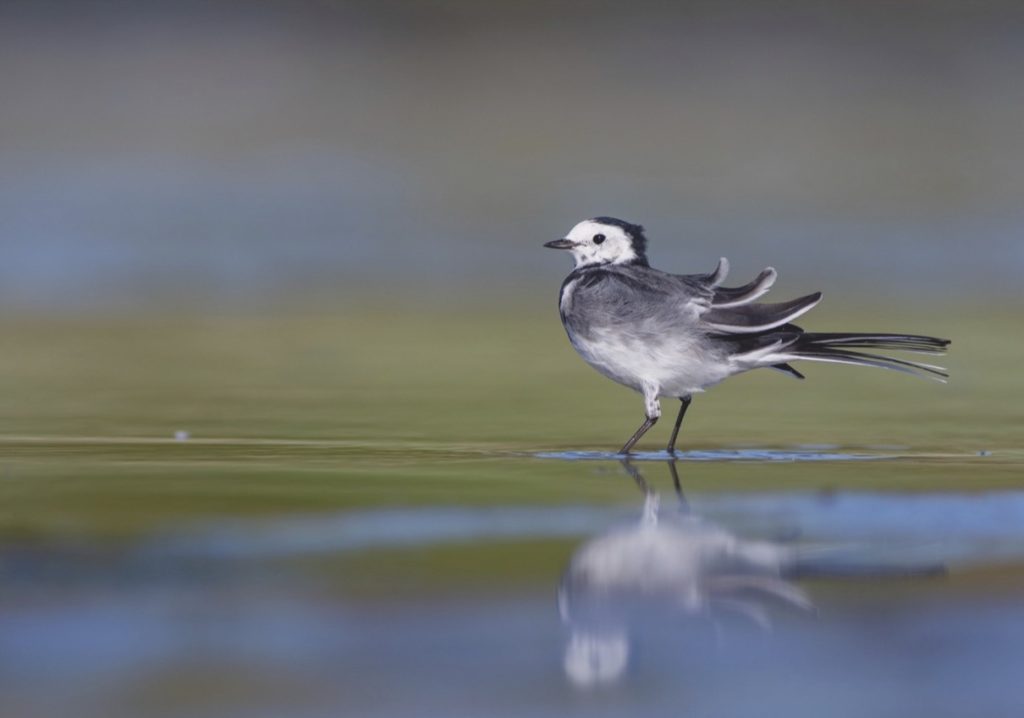
20-50% of Irish Gardens
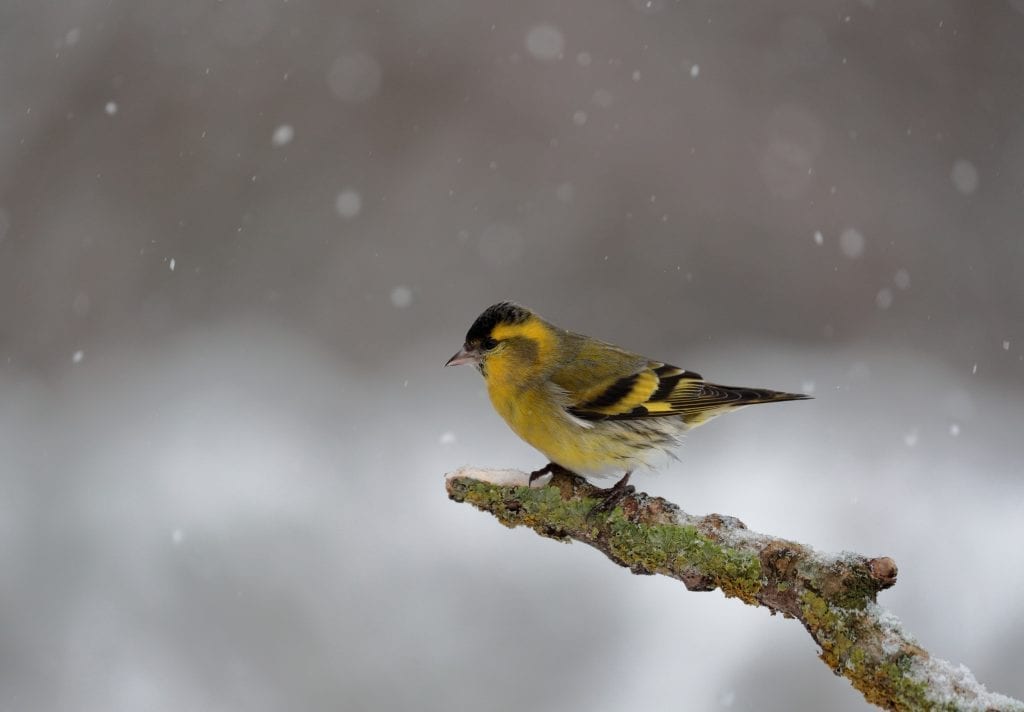
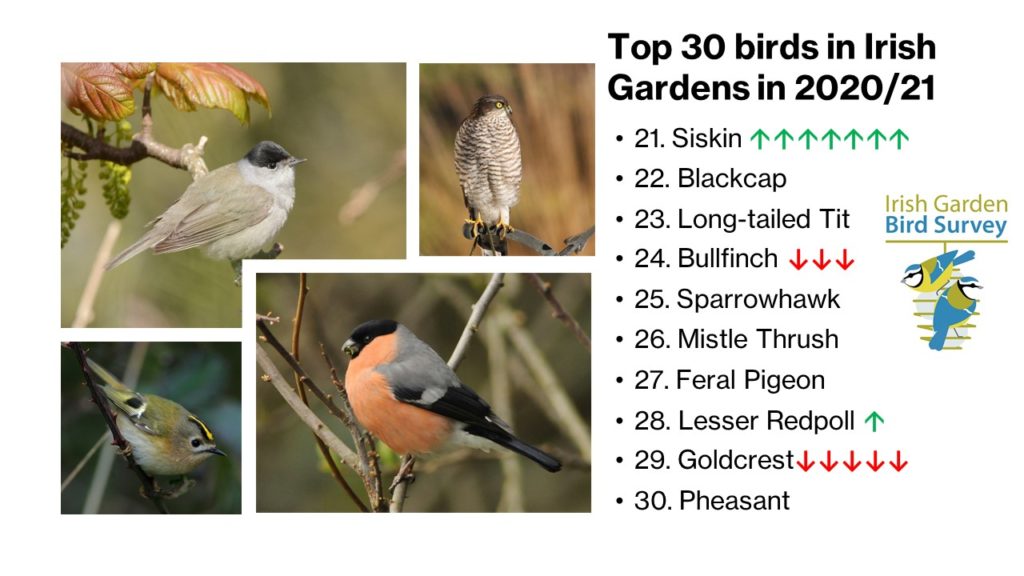
While the above species occur in more than 50% of gardens, you’re in the minority if one of the below appears in your garden this winter: Siskin jumped up 7 places (8%) since the previous year. They usually start to appear in gardens from mid-January onwards, but they were making appearances from late November right through to March in most parts of the country last winter. No other species made such a big jump pup the table! One of the bigger losers was Goldcrest - down 5 places to 29th, a decrease of nearly 8%. It was a mild winter, and a good breeding season for most species in 2020, so the reason for this isn’t immediately obvious. Bullfinch dropped three places to 24th, but this might just be due to the mild winter and abundance of feeding options in the wider countryside, as they’re not a bird that visits feeders and so aren’t as associated with gardens as other finches. Other species in the 20-50% band include Blackcap, Long-tailed Tit, Sparrowhawk, Mistle Thrush and Feral Pigeon. Again, not species that tend to avail of bird feeders with any regularity, but species who know how to make a good living in a human-dominated landscape, be it rural, urban or suburban.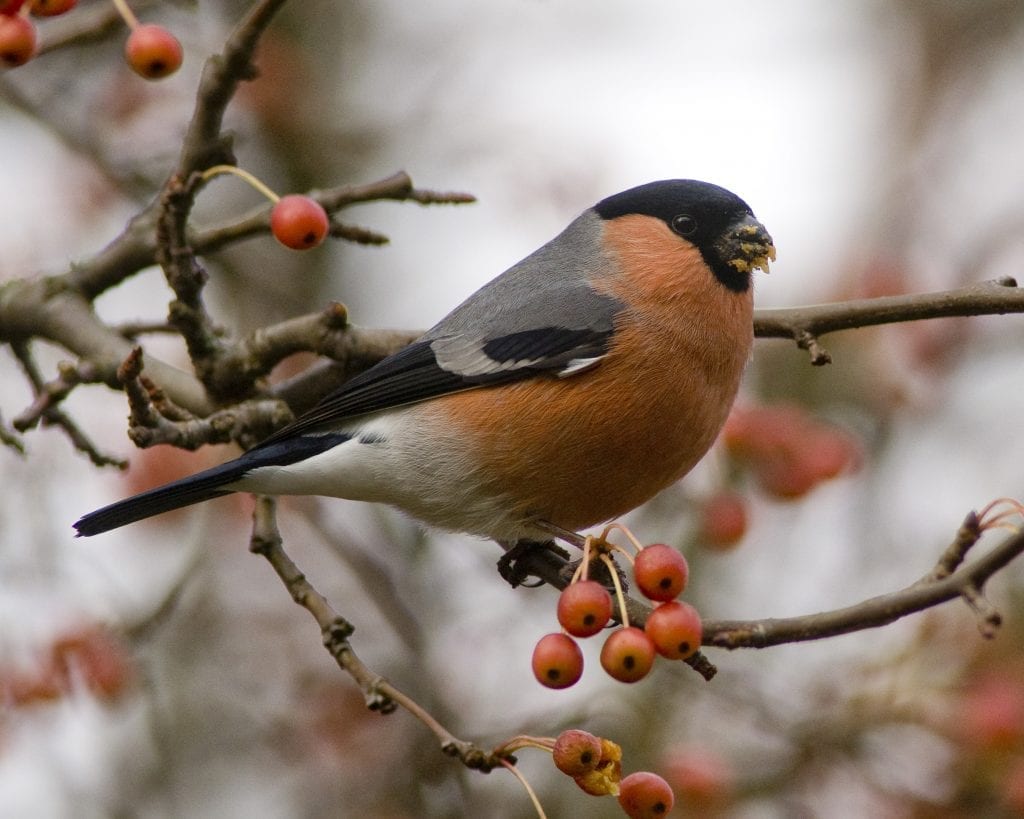
Best of the rest
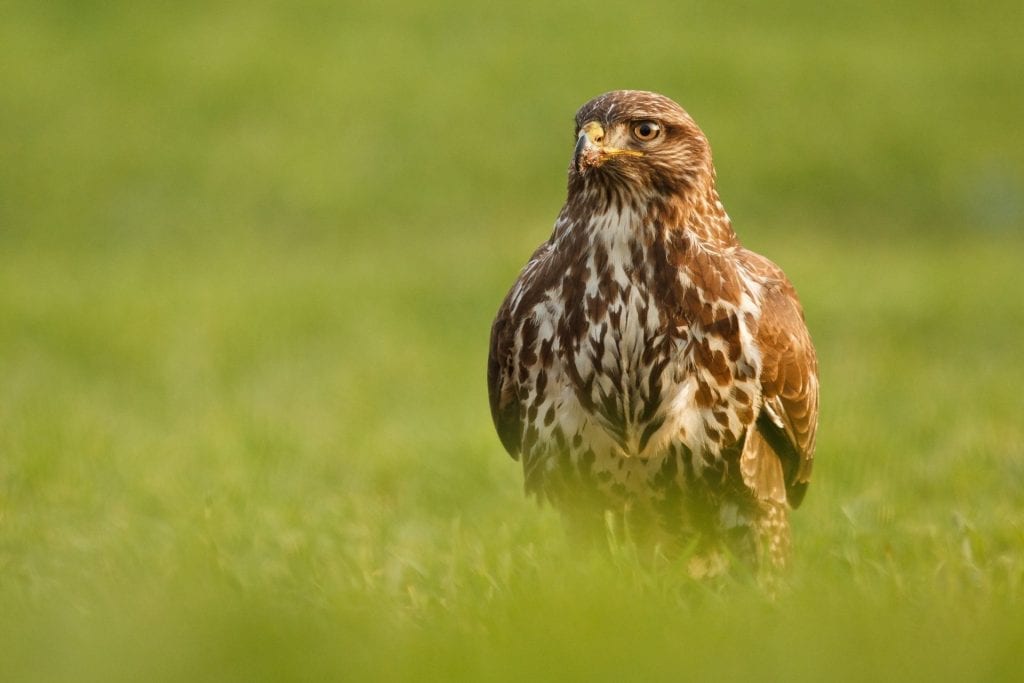
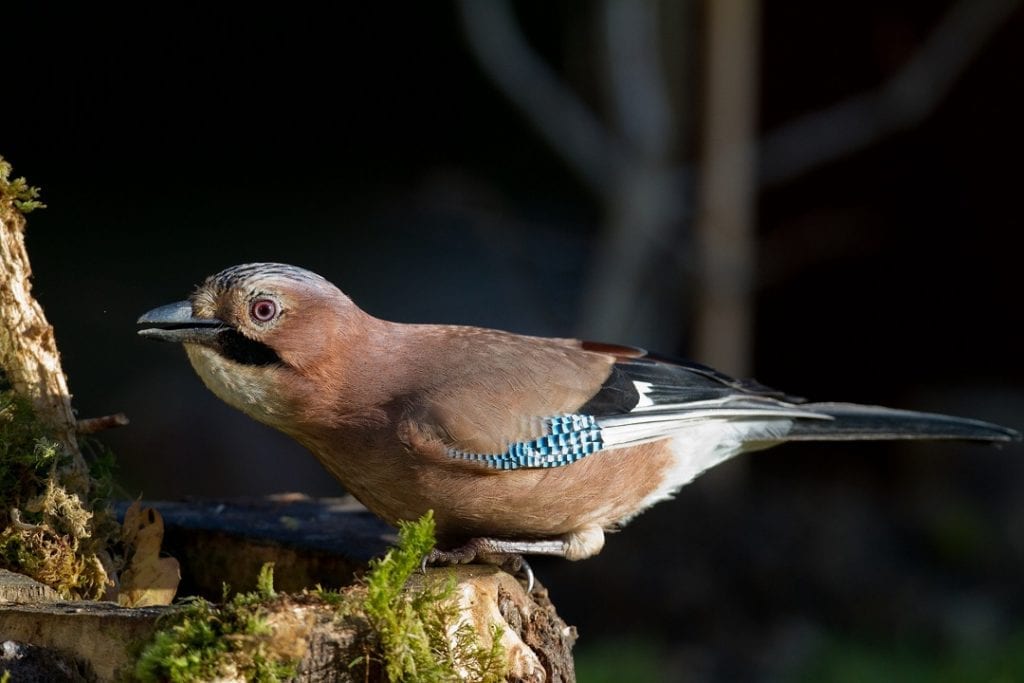
Despite being a non-native species, Pheasants tend to be seen in 15-20% of gardens each year, which is surprisingly high considering they don’t tend to breed well in the wild, so are reliant on being released by gun clubs every autumn. Buzzards moved two places up the rankings and are seen over 15% of gardens each winter. Herring Gulls were in 11% of gardens, Black-headed Gulls in 4%, and 1.3% of gardens had some sort of gull visiting but weren’t sure what species! Great Spotted Woodpeckers are one of the most recent additions to our bird community, and over 4% of gardens had one visiting their peanut feeders (it’s always peanut feeders!) last winter. They’re now breeding in almost every county in Ireland, so expect to see them charging up the rankings table in the coming years. Last year was a mast year for acorns, which meant Oak trees were providing a huge bounty for species such as Jays, and as a result they were seen in fewer gardens than usual (8%, down 1% from the average). This tends to happen every few years. Lastly, Redwing and Fieldfare, our two wintering thrush species, both dropped a bit, thanks again to the mild winter.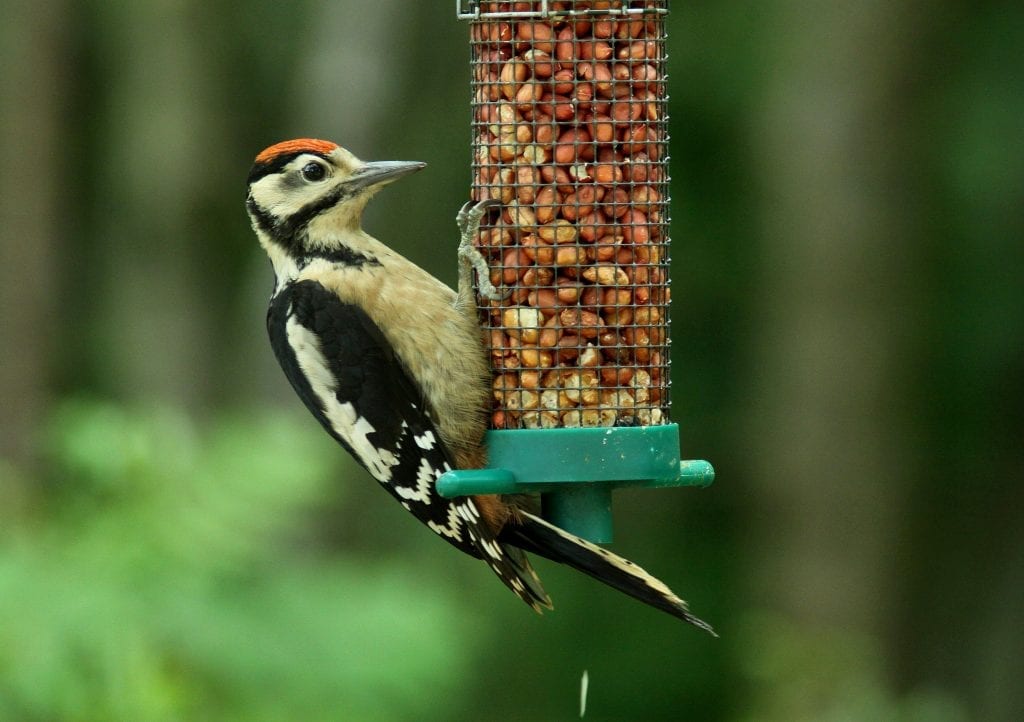
 See below for the full Top 30 birds in Irish gardens last winter, and their various ups and downs since the previous year. Most gardens record between 10 and 25 species over the course of a winter. Whether you have more or less than that, we still need you do to the survey!
We are hugely grateful to Ballymaloe for their sponsorship and support of the Irish Garden Bird Survey.
For more details about the Irish Garden Bird Survey click here, or download the survey form below.