
It feels like only yesterday that we were welcoming back our summer breeding birds. Before you know it, eggs are hatched, chicks are fledged, and our feathered friends are off again, leaving our shores. Late summer welcomes a new crowd, such as the Sooty Shearwater, Great Shearwater and the occasional Wilson’s Storm-petrel; it won’t be until autumn when we see the return of our wintering waterfowl and waders. Here’s our summer species sendoff and where they’ll be going next.
Back to the Sea
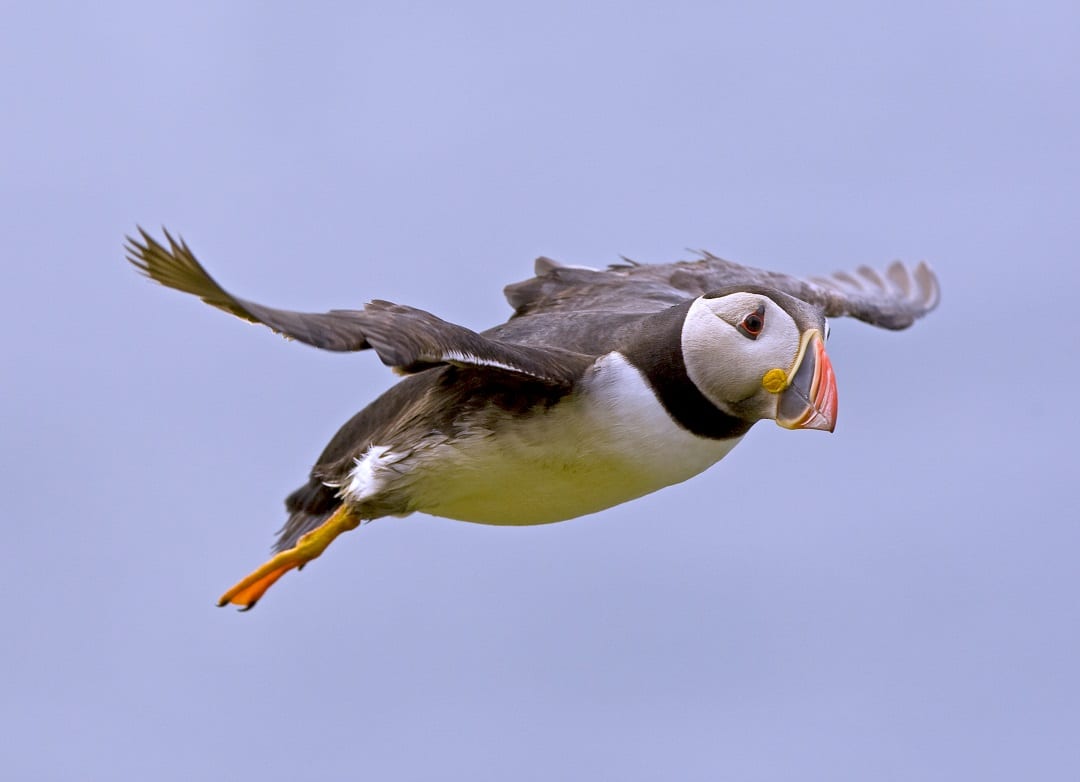
While the thought of being out at sea during the winter is enough to send some of us humans into hypothermia, it is welcome homecoming to some of our bird species. This is true for the Puffin, who disperses onto the Atlantic Ocean in the winter. Scientists are still studying exactly where they go, but according to the British Trust for Ornithology (BTO), their wintering range extends from the Northern Atlantic down to the northwest Africa.
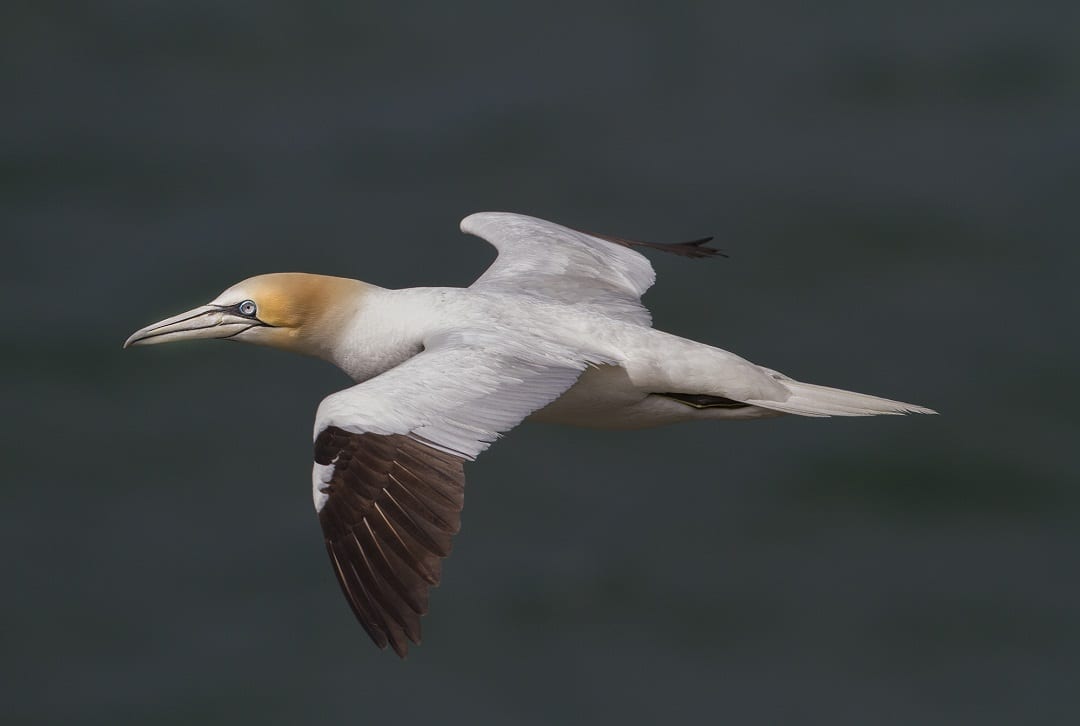
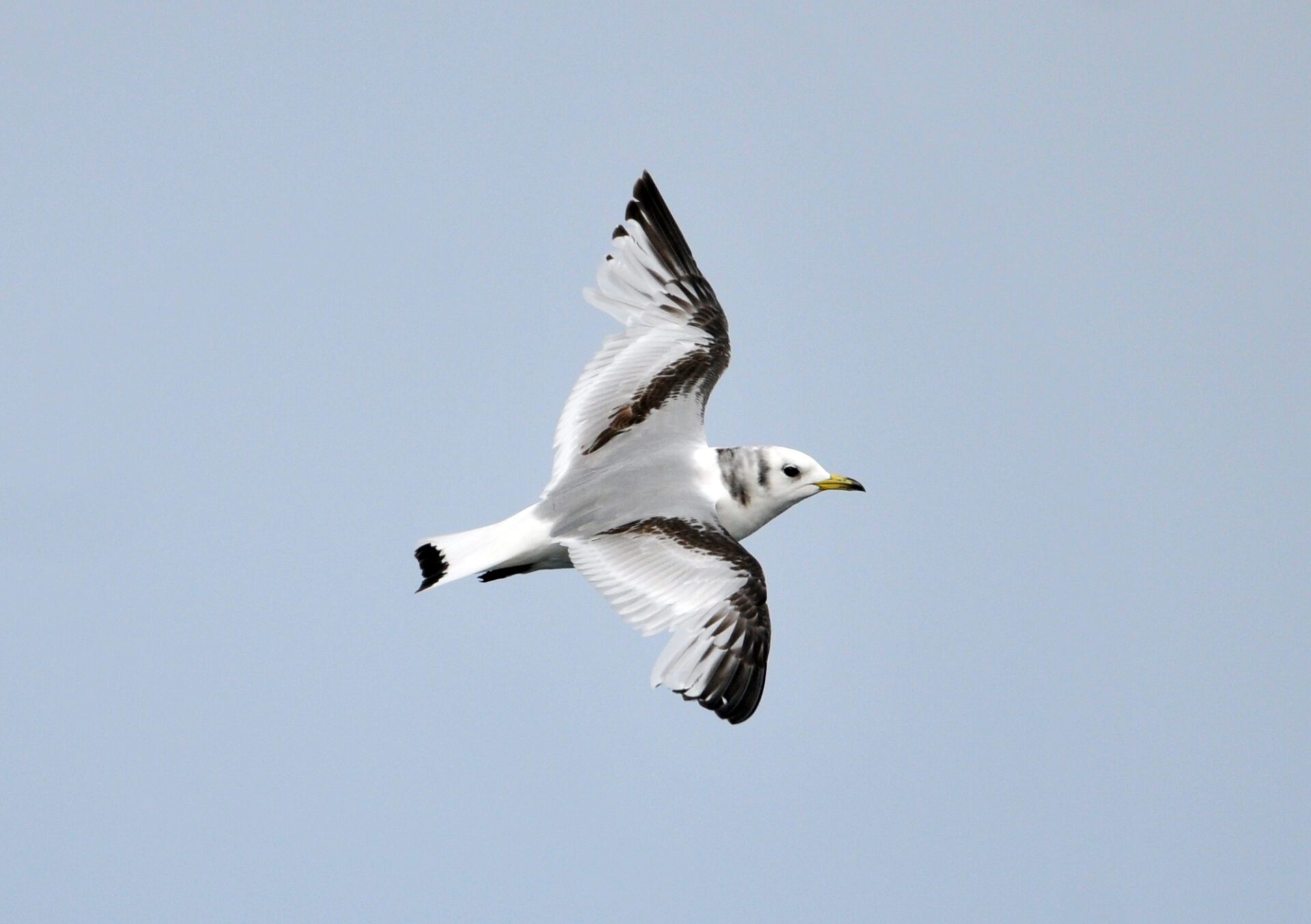
They aren’t the only ones who take to the sea for our colder months. Gannets and Kittiwakes also take the high seas and spread across the Atlantic during the winter, some venturing down to the coasts of west Africa. Unlike Puffins and Kittiwakes, some Gannets stick around Ireland’s coasts and can be seen throughout the year.
Although not strictly a seabird, Red-necked Phalaropes migrate far off the shore, though scientists are still determining exactly where these birds go. It is suspected that the Red-necked Phalaropes which nest in Ireland are part of the population that also breeds in Iceland and the northern Scottish islands, are thought to winter on the Pacific Ocean, off the coast of Peru. Breeding populations from Scandinavian and Russian winter in the Arabian Sea. Outside of the nesting season, these wading birds live entirely at sea, feeding on plankton until the spring.
Mainland Africa
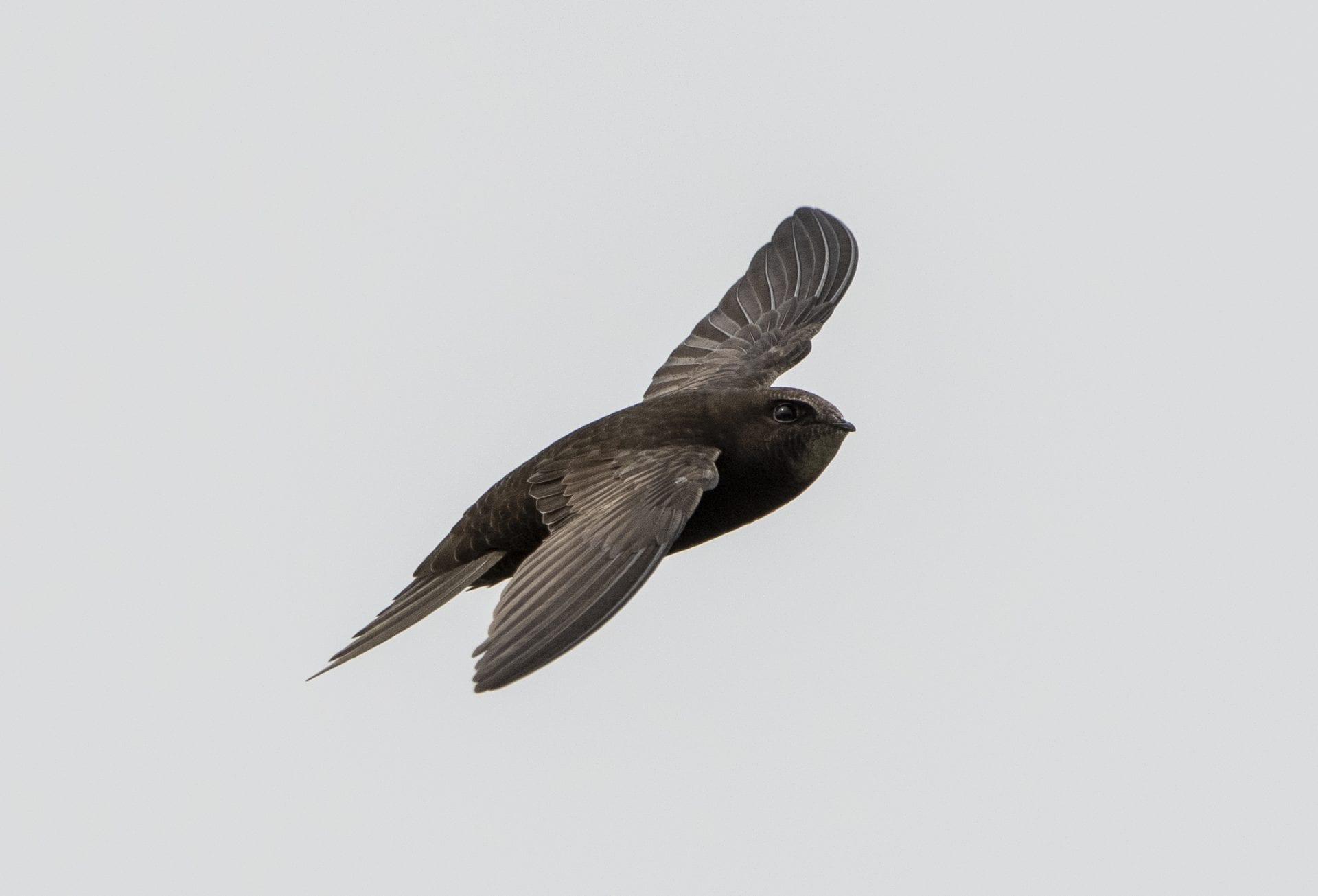
Common Swifts, one of Ireland’s fastest bird species, are like the forementioned seabirds in that they too don’t touch land in the winter, but they aren’t in the ocean, either. Instead, they are flying high above sub-Saharan Africa, never landing until they return back to their breeding grounds. While in the African skies, they follow the rains, taking advantage of insect increases after rainfall.
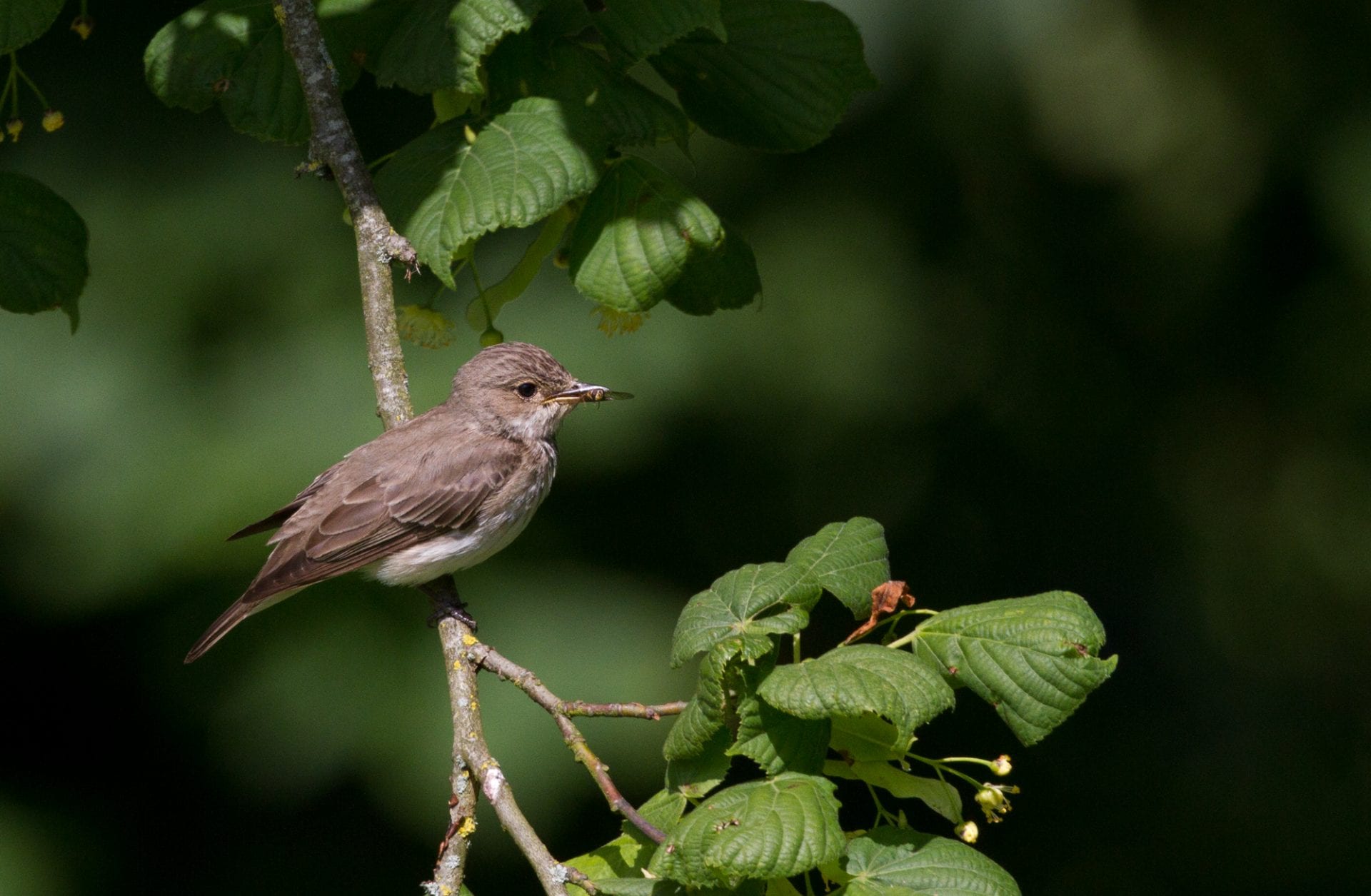
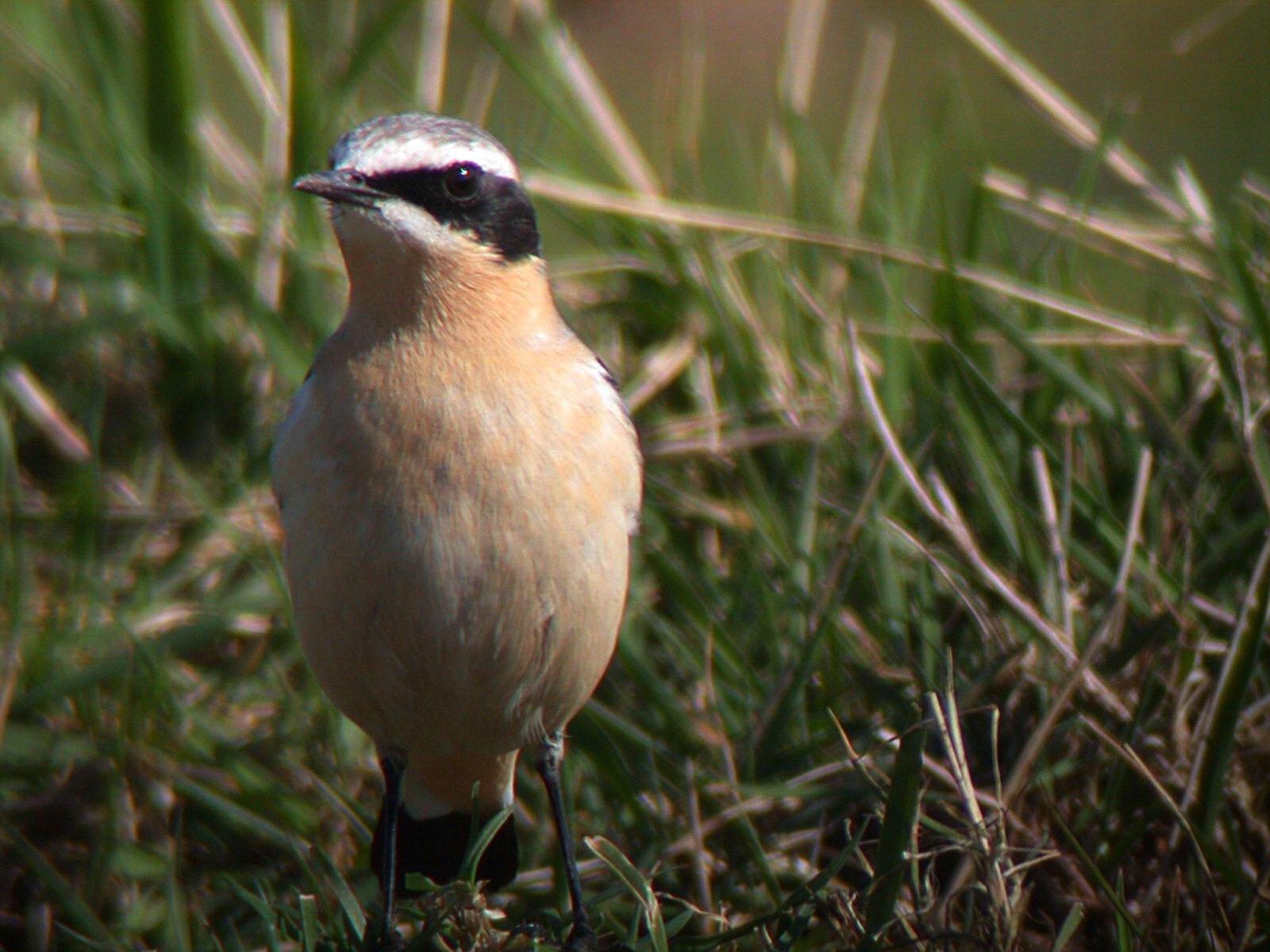
Another insect-chasing (literally in its name) bird, the Spotted Flycatcher, heads south to central and southern Africa for the winter season. Research has shown that some individuals fly as far south as Namibia, a hefty 7,000 km from their breeding grounds. This distance rivals that covered by the Wheatear, which has one of the longest migrations of any songbird. Birds breeding in north-eastern Canada fly almost non-stop across the Atlantic Ocean to their sub-Saharan wintering grounds.
Learn More
There are more birds leaving Ireland for the season than just the ones we’ve listed here. Visit our page of Irish birds to discover more.