
In advance of this season’s Irish Garden Bird Survey, starting on Monday, 30 November 2026, the survey’s national coordinator, Aisling Kinsella, picks out interesting findings from last winter’s survey. This article originally appeared in the 2026 winter issue of Wings, our membership magazine. For access to all of our Wings articles, become a member today.
With an average of 1,500 gardens taking part each year over the past 10 winters, the Irish Garden Bird Survey (IGBS) remains one of the most popular long running citizen science surveys in Ireland. Last winter was no exception, with 1,455 households taking part and sending us counts of the feathered visitors to their gardens.
 Since taking on the role of IGBS Coordinator, it has been truly heartwarming to see the passion, care and curiosity from you. From thoughtfully completed survey forms accompanied by letters and personal comments, to questions ranging from species identification to feeder etiquette and hygiene, you continue to show a remarkable level of passion for our garden birds.
Your observations about the changes you are seeing, both in your gardens and across wider areas, have been particularly insightful. It is clear that there is a growing appetite for conservation and that you are increasingly eager to understand and protect Ireland’s birds.
Mild weather, maximum rain
The people of Ireland love to talk about the weather, especially when storms, like the two we saw last year, pummel the country. Storm Bram in December brought gale force winds and Storm Chandra in January brought heavy rainfall. Overall, the winter of 2025/26 was mild but wet – both rainfall and temperatures were above average according to Met Éireann, with six of their stations recording their wettest winter since 2016.
Looking at last winter’s survey results, the heavy rainfall appears to have posed a challenge for our garden birds. Of the Top 30 species, 25 were recorded in a higher percentage of gardens than the previous winter, which also had mild temperatures but considerably less rain. Prolonged and heavy downpours can rapidly deplete energy reserves, particularly in small garden birds, which carry limited fat reserves to maintain speed when escaping predators. These minimal fat reserves mean that our garden birds can lose heat quickly – and heat is energy. To combat this, birds use “ptilo-erection” – a method by which they trap an insulating layer of air between their feathers and skin (essentially their version of goosebumps) to keep warm (Karr et al, 2025). When the feathers get wet from the rain, it can negatively impact this process, resulting in greater heat loss and, consequently, increased energy expenditure. Gardens therefore provide a welcome relief during winter, when birds are facing the combined challenge of reduced temperatures and increased rainfall, compared to other seasons. The provision of seeds, peanuts and fatballs provides a predictable source of fuel, saving our garden birds energy by reducing the time spent foraging during challenging weather. Winter is therefore the time when feeders make a real difference to your garden birds.
 Top of the Table
 Top of the Table
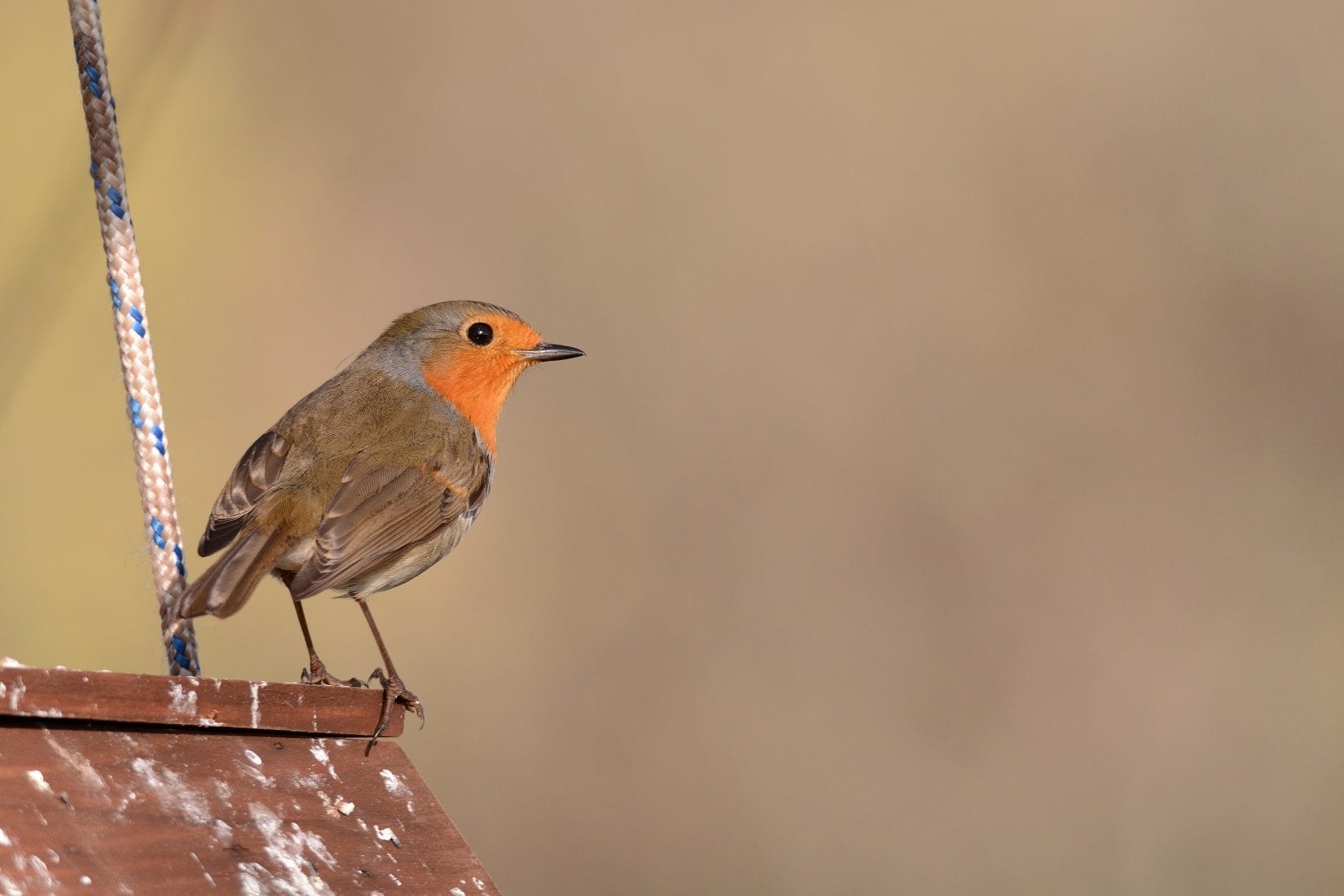
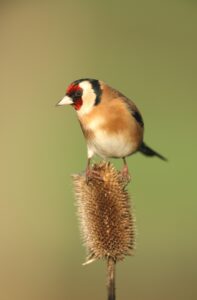
The top seven species remained unchanged from the previous winter’s 2024/25 survey. The ever-reliable Robin once again took the top spot, marking its 12th consecutive year at number one and recorded in 98% gardens – an increase of 3% on the previous year. This is encouraging to see, as the previous year had marked the lowest percentage of gardens visited in three decades for the species. In the history of the survey, Robin has only ever shared the top position with Blackbird and Blue Tit, which finished in 2nd and 3rd place, recorded in 96% and 94% gardens respectively. They were followed once again by Magpie in 4th, Great Tit in 5th, Chaffinch in 6th and House Sparrow in 7th place, before the rankings begin to shuffle and we see a little musical chairs among the species further down the list. Goldfinch and Starling swapped positions, with Goldfinch stepping up to 8th and Starling falling behind to 9th. Woodpigeon managed to attain a spot in the Top 10 for the first time in the history of the survey, which meant that after 3 years in the top 10, the small but mighty Wren was knocked down to 12th. Recorded in 69% of gardens, this is their lowest occurrence since the winter of 1996/7.
More than Just a Pigeon
The occurrence of Woodpigeon in gardens has been steadily rising since the winter of 1997/98 (Figure 1). The increase in garden visits correlates with an increase in their breeding population, with results from the Countryside Bird Survey (CBS) showing a 37.4% increase in breeding records during the period 1998-2016. It’s likely that agricultural changes, such as a shift towards autumn-sown cereals and an increase in oilseed rape cultivation has also helped this species thrive (Lewis et al., 2019). Looking at the landscape breakdown of gardens reporting this species, a lower percentage of rural gardens have woodpigeons visiting (Figure 2). This is likely due to the fact that oilseed rape is the preferred winter food of Woodpigeons, so they are making the most of this in agricultural landscapes, as opposed to relying on garden feeders. Additionally, Woodpigeons have a more varied diet than many other farmland birds, feeding on green plant material, leaves, buds, berries, flowers and almost anything provided on a bird feeder. They’re also remarkably prolific breeders, with their main breeding season extending from April through to November. However, they can lay eggs at any time of year, and nests have been recorded year-round. So, it’s perhaps no surprise that we’re seeing this adaptable species turning up in more and more gardens.
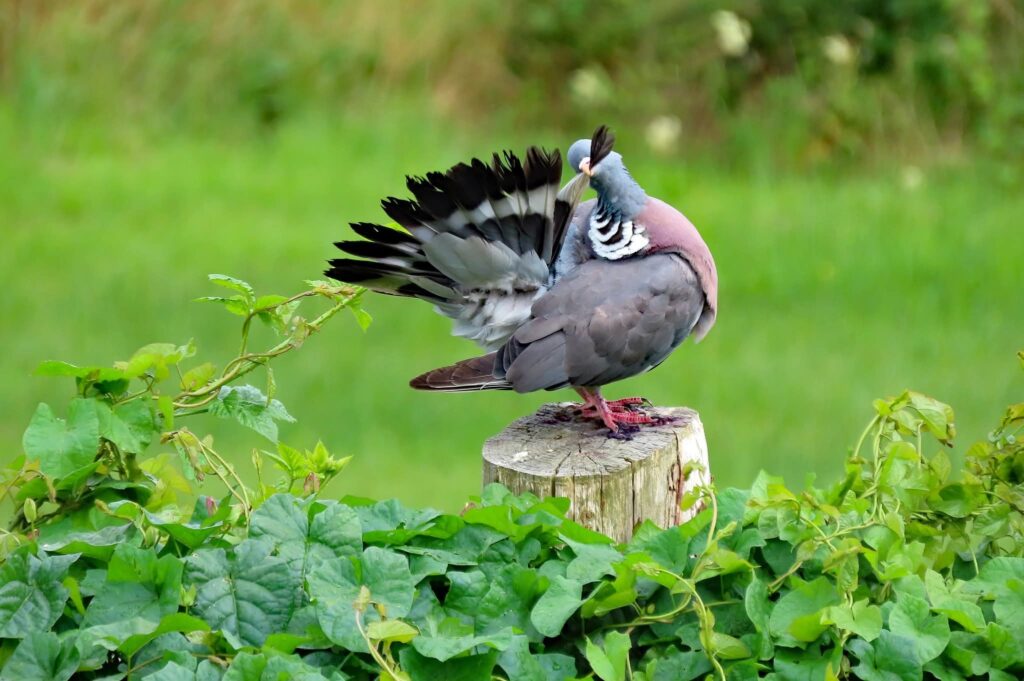
Woodpigeon taken by Joan McKenna
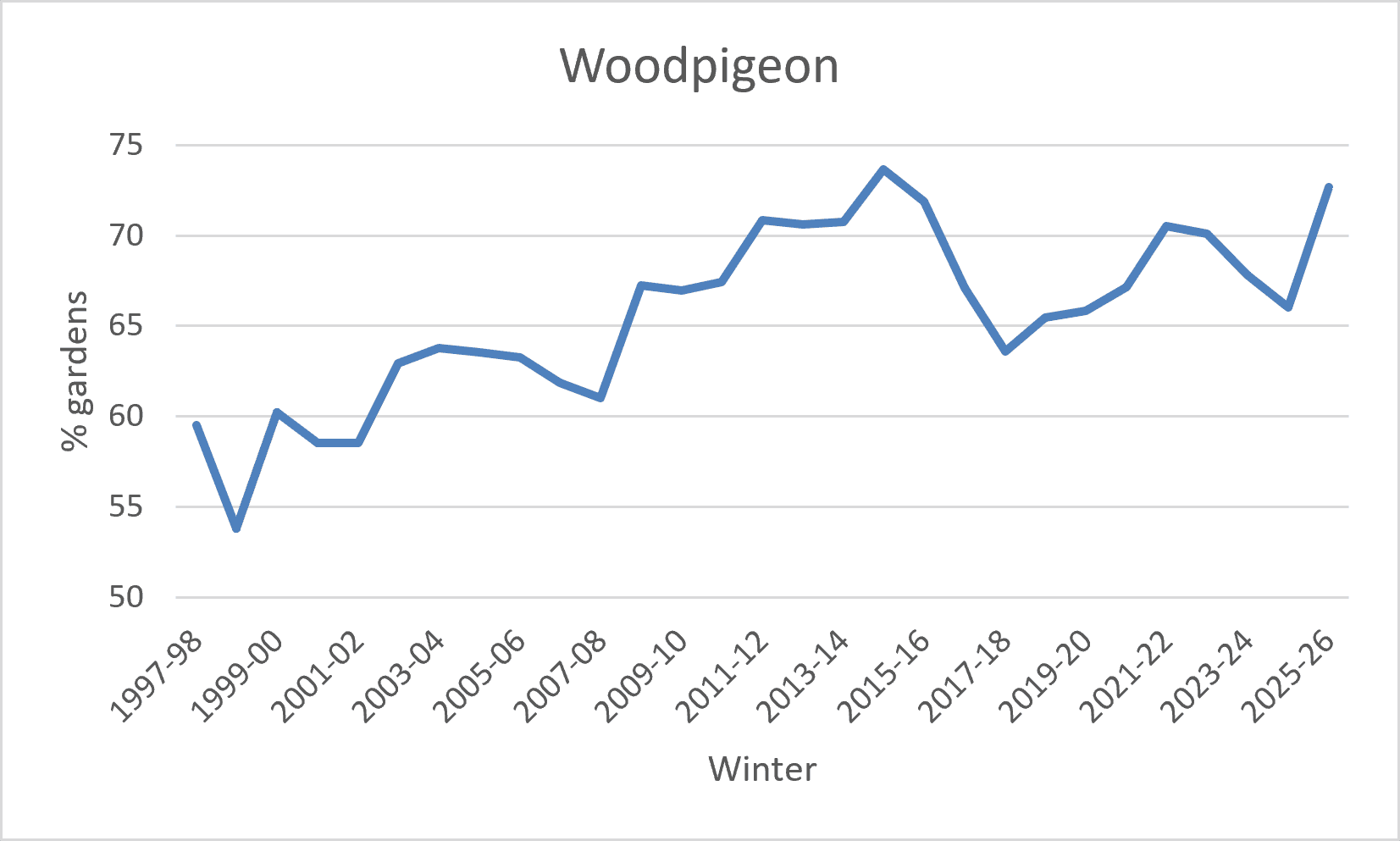
Figure 1: The percentage of gardens visited by Woodpigeon during the winter periods 1997/8 to 2025/6 from the Irish Garden Bird Survey.
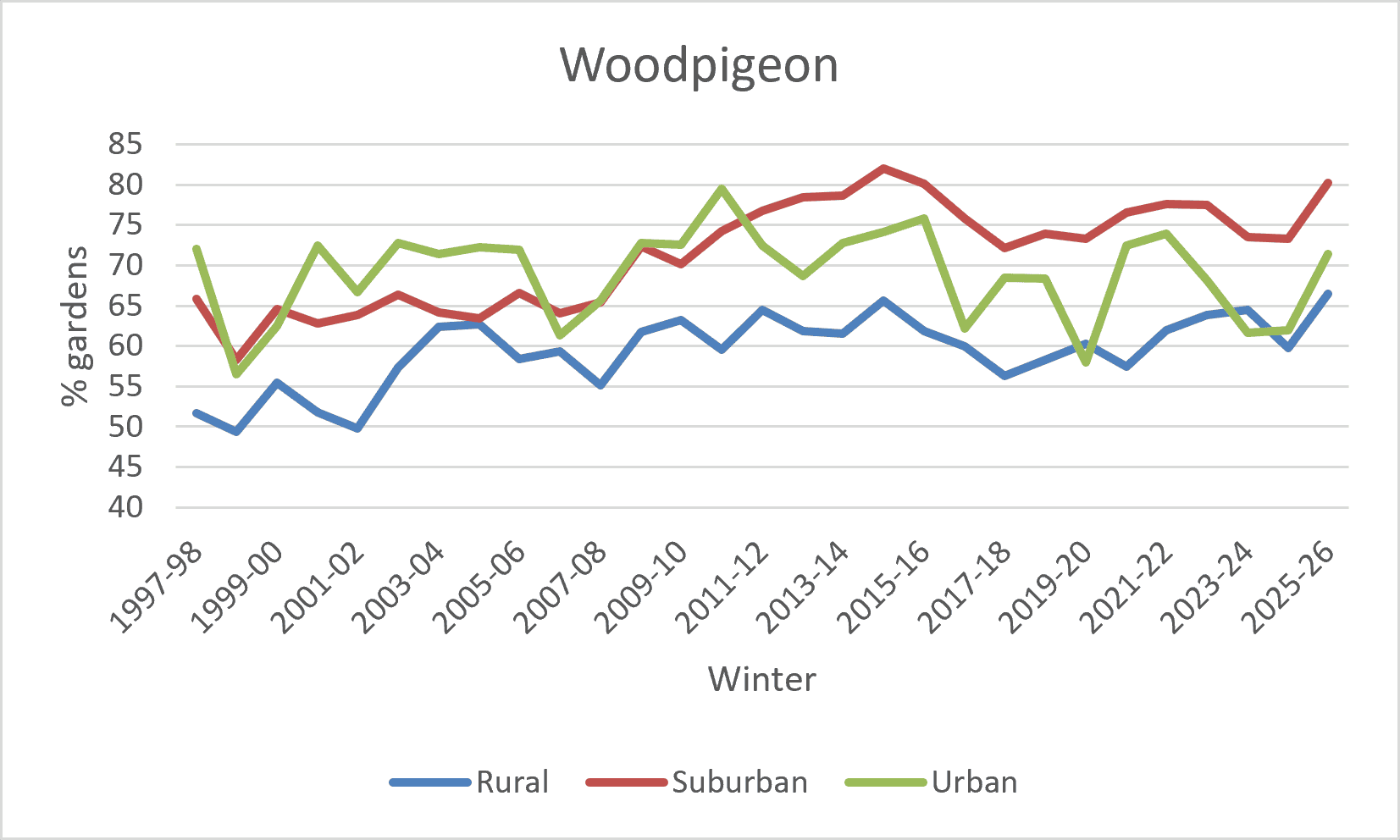
Figure 2: The percentage of gardens visited by Woodpigeon in rural, suburban and urban areas during the winter periods 1994/5 to 2025/6 from the Irish Garden Bird Survey.
Throughout the years
When looking at the winter of 2025/26 compared to that 2015/16, there’s a marked change in the percentage of gardens visited – 23 of the Top 30 species were recorded in a lower percentage of gardens last winter compared to that of 10 years ago. To explore this more, I’ve plotted the 31-year trends of some of these species to see was it just a difference between these two winters or is there something larger at play.
Great Tit, Chaffinch, Dunnock, Coal Tit, Jackdaw and Song Thrush have always occurred in >50% gardens since the survey started. While annual fluctuations are expected, the long-term garden occurrence trends of these species show a steady decline since 2015 (Figure 3). The percentage of gardens we expect to record Chaffinch, Great Tit, Dunnock and Jackdaw has dropped by ~10% and the expected occurrence of Coal Tit and Song Thrush has dropped ~20%. However, all species bar Song Thrush showed an uptick in the percentage of gardens visited last year.
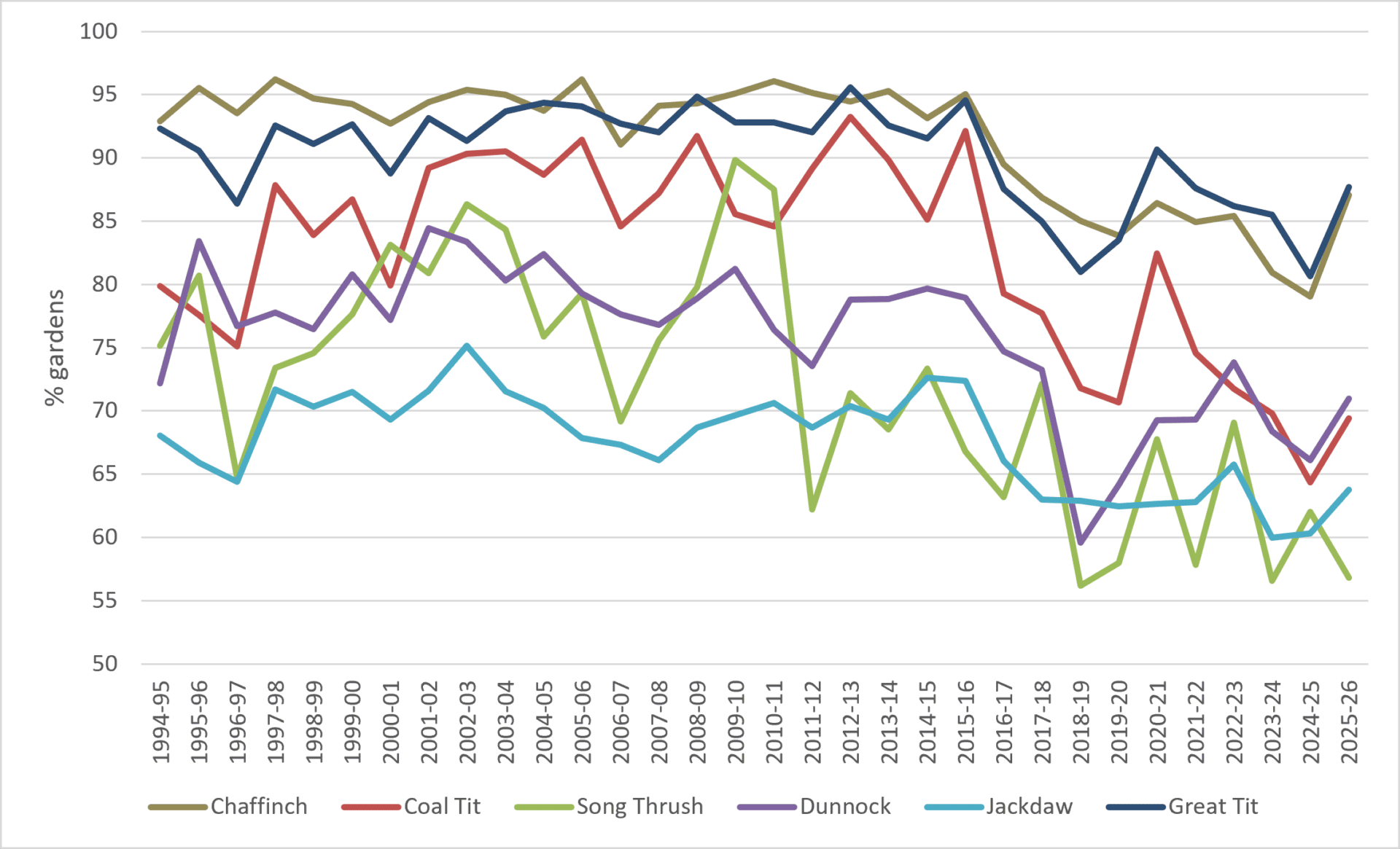
Figure 3: The percentage of gardens visited by Chaffinch, Coal Tit, Song Thrush, Dunnock, Jackdaw and Great tit during the winter periods 1994/5 to 2025/6 from the Irish Garden Bird Survey.
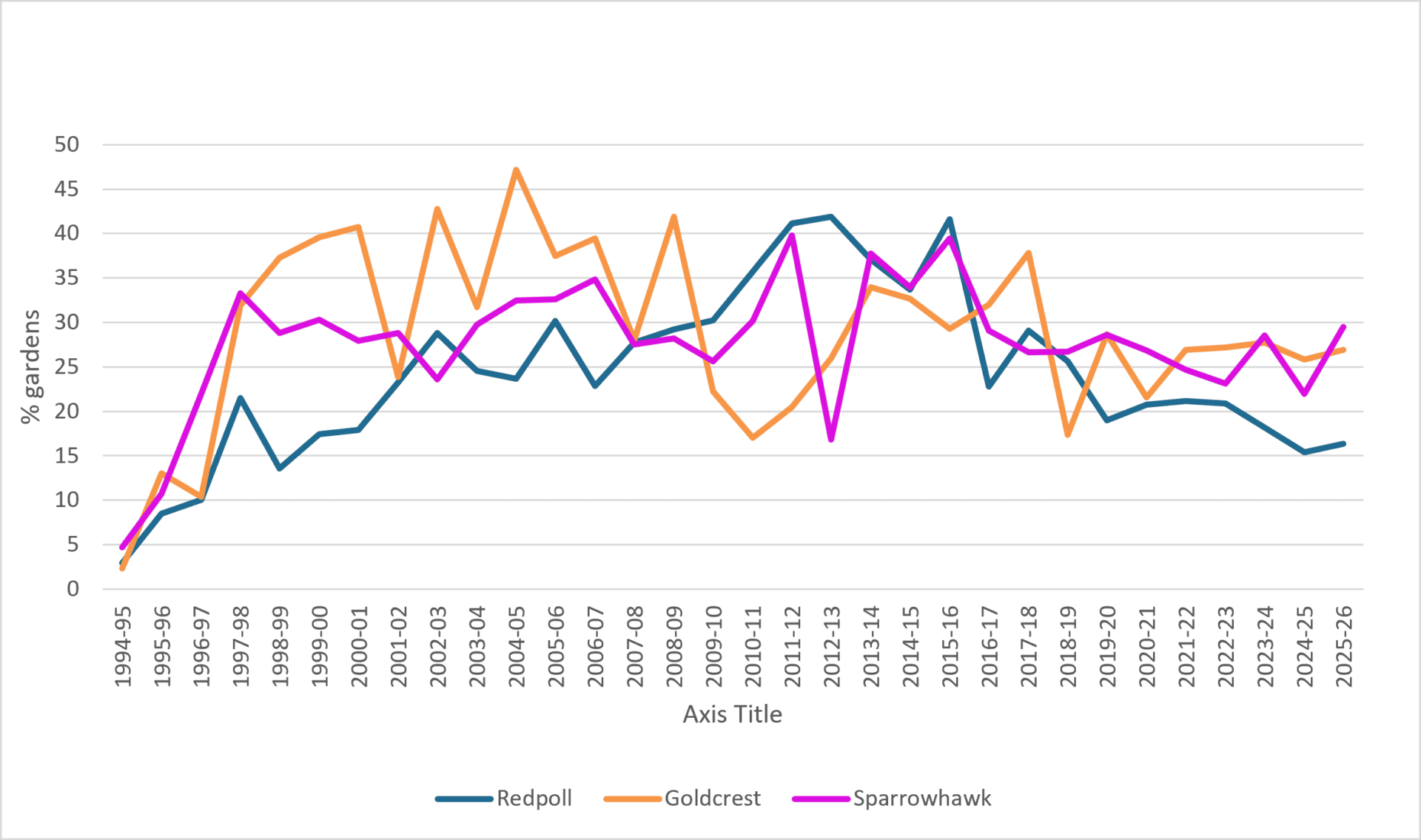
Figure 4: The percentage of gardens visited by Redpoll, Goldcrest and Sparrowhawk during the winter periods 1994/5 to 2025/6 from the Irish Garden Bird Survey.
Similarly, less common species such as Redpoll, Goldcrest and Sparrowhawk, which are recorded in <50% of gardens each year, have also shown modest declines since 2015. However, yet again, all three species were recorded in a slightly higher percentage of gardens last winter compared to the previous winter (Figure 4).
The downward trends observed over the past decade may be partly attributable to the milder winters we have experienced, with fewer birds needing to rely on supplementary feeding in gardens. In contrast, the increase recorded last winter may have been a response to the prolonged rainfall, which placed additional demands on birds’ energy reserves.
It will be interesting to see how these trends develop over the coming years, and continued data collection will help us explore the factors driving these changes. Gardens continue to provide an important refuge when birds need it most. Despite the overall decline in garden use, when conditions become challenging, feeders, and the people who maintain them can provide valuable support.
So, once again, don’t forget to encourage your neighbours, family, and friends to take part in this winter’s survey, which will be kicking off on Monday, November 30th.
A cheer for our data entry volunteers
With the majority of our submissions arriving by post, we rely on a dedicated team of data entry volunteers to help bring all that information into our records. It may not involve donning wellies and binoculars and heading out into nature, but this behind-the-scenes work is a vital part of conservation. Without their time, care and attention, we simply couldn’t manage the incredible volume of data gathered by IGBS participants. They were as follows:
Charnell-Hughes, P. Craven, R. Miller, C. Cullen, L. Cocchiglia, J. Jennings, F. O’Rourke, M. Raut, E. Green, N. Jensen, D. Lane, S. Griffith, C. Harpur, M. Greaney, A. David, V. Eigler, S. Kelly, A. O’Hara and A. Murphy-Scott
Learn more about the Irish Garden Bird Survey and how to get involved by clicking here.