Habitats for Seabirds

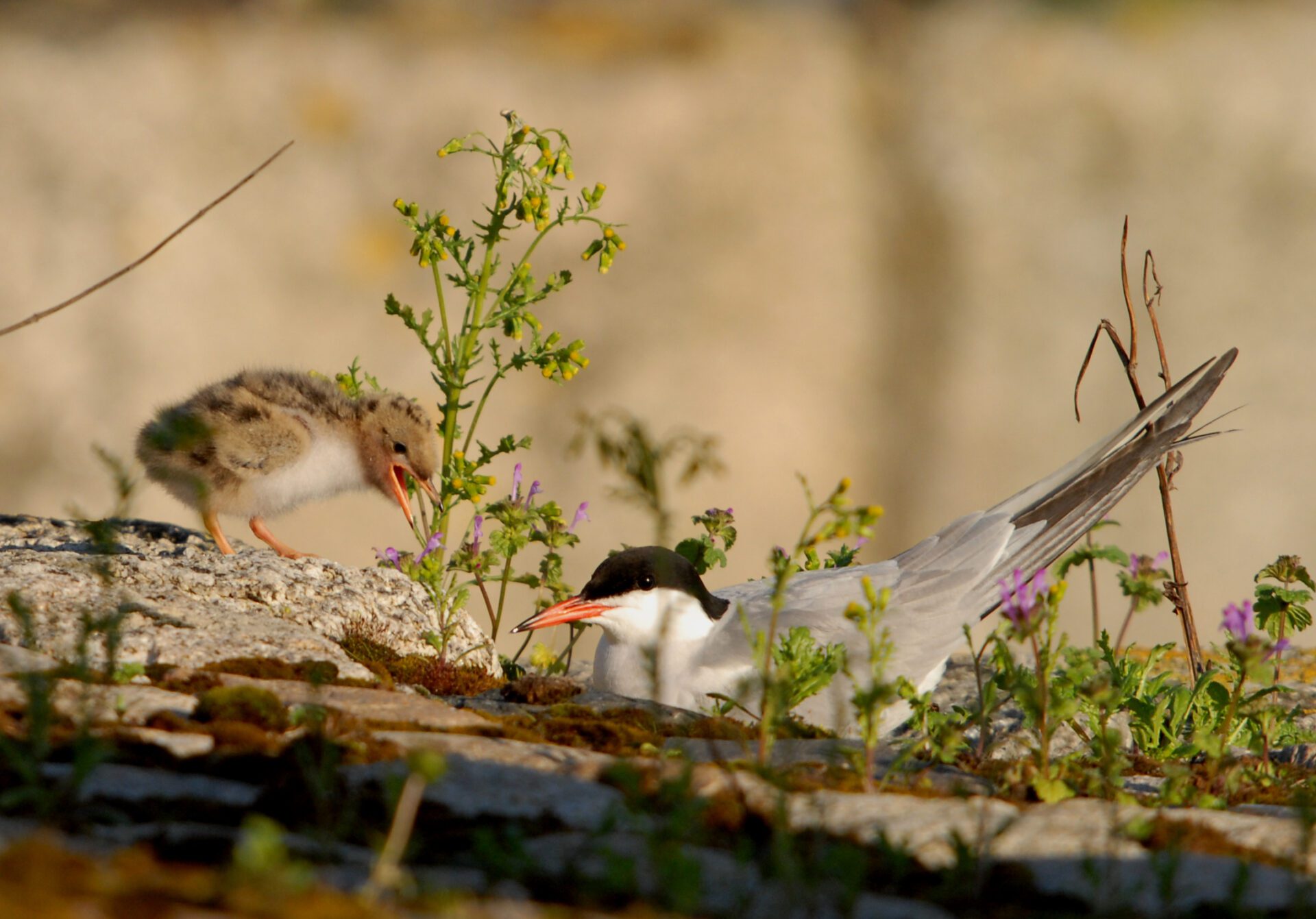
Ireland is internationally important for breeding seabirds and holds globally significant breeding populations of several species.  We host 23% of the international breeding population of European Storm Petrel; 13.5% of the international population of breeding Manx Shearwater and more than 85% of the north-west European population of Roseate Tern. Restoration of habitats for seabirds will require conservation efforts to improve habitat suitability both at coastal terrestrial breeding colonies and also habitats in the broader marine environment where they feed. Both aspects are crucial to the survival and reproductive success of seabird species.

The Focal Bird Species

There are 10 seabirds for whom habitat restoration in Ireland would be particularly beneficial: Manx Shearwater, European Storm Petrel, Black-headed Gull, Kittiwake, Sandwich Tern, Roseate Tern, Common Tern, Arctic Tern, Little Tern, Puffin.

Areas of Opportunity for Restoration

We identified 60 priority seabird breeding colonies at 38 locations all around Ireland’s coast that require a range of restoration measures. Four of these colonies (at 3 locations) require legal protection in the first instance and all require specific action to assist the seabirds to breed successfully.

Map of Areas of Opportunity for restoration of Seabirds. Click on a location to see associated species and other information.

Restoration measures

In 2025, BirdWatch Ireland identified the most important sites for seabirds  – our network of Important Bird and Biodiversity Areas for Seabirds in Ireland.  Many of these have already been designated as Special Protection Areas, but some have not and these sites should be designated as soon as possible in order to protect them.

Measures to improve breeding success at island sites, in particular, include the control of invasive alien species, such as rats and American Mink;  eradicating these is essential to stop these predators from eating eggs and chicks. Wardening at breeding colonies with high visitor numbers to prevent disturbance from people and the cessation of damaging fishing activities at sea, which affect the food supply of many seabirds, are also critical. Minimising the impacts from offshore renewables into the future will also be very important.