Lesser Black-backed Gull
| Irish Name: | Droimneach beag |
| Scientific name: | Larus fuscus |
| Bird Family: | White-headed Gulls |
amber
Conservation status
Conservation status

Status
Summer visitor to lakes and coasts from March to September, wintering in Iberia and northwest Africa. Winter visitor in small numbers along eastern and southern coasts, probably from Iceland and the Faeroe Islands.
Identification
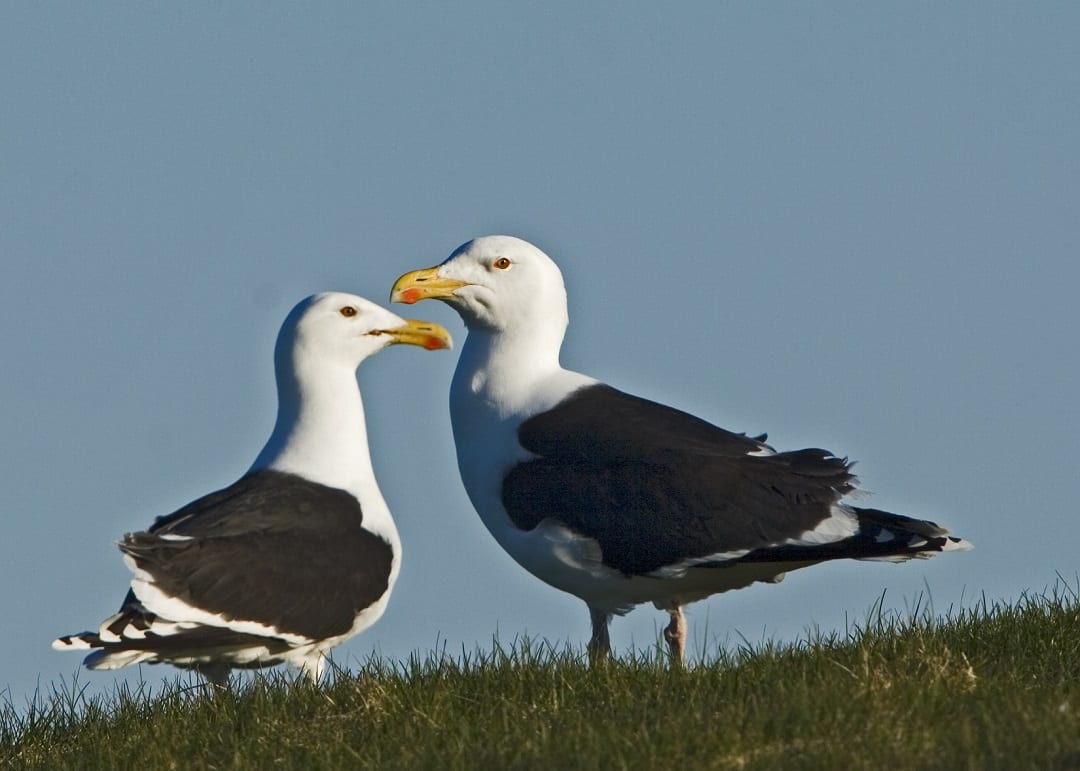
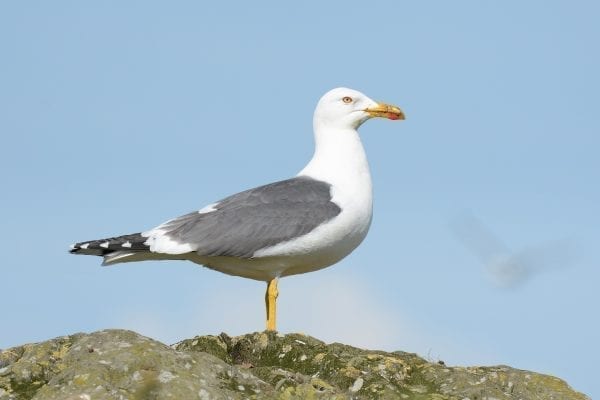
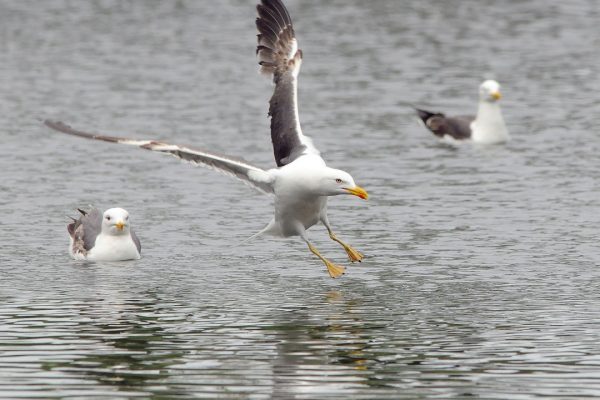
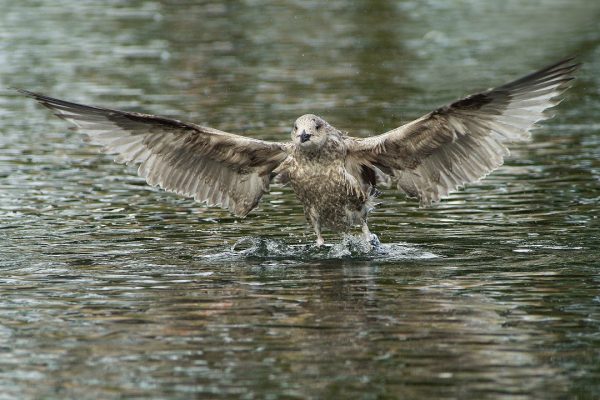
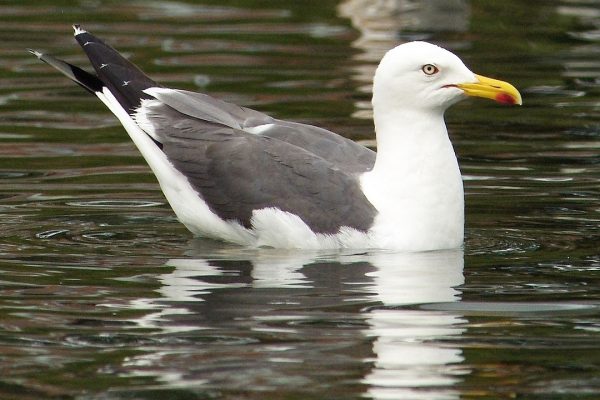
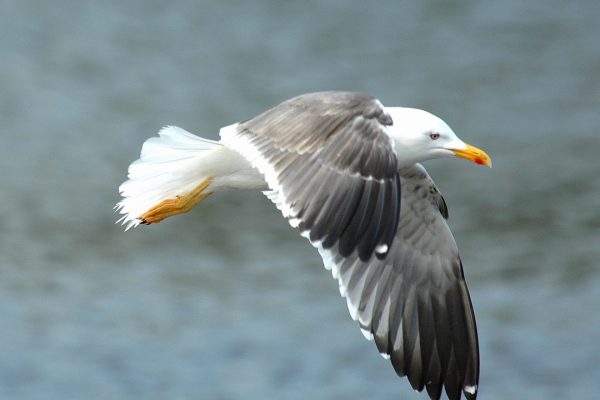
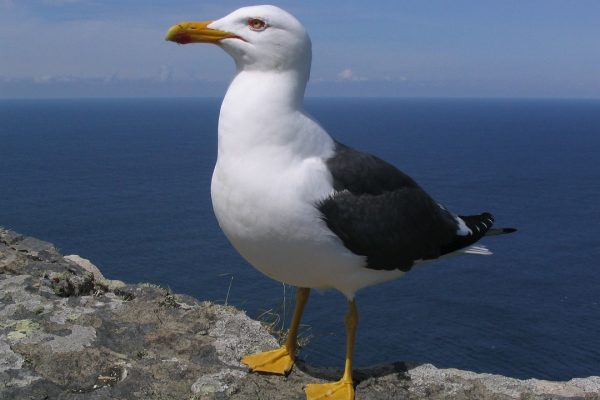
A large gull, which in adult plumage has dark grey upperwings, showing black tips with white 'mirrors' (white at the very tips surrounded by black); the rest of the plumage is white. Adult birds have heavy yellow bills with a orange spot on the lower bill, the head is pure white in the summer and streaked in the winter; the legs are yellow. Lesser Black-backed Gulls have four age groups and attain adult plumage after three years when they moult into adult winter plumage. Juveniles are grey with finely patterned feathers which fade in the first year, especially the wing and tail feathers which are retained through the first summer. Juvenile and first year birds do not have any plain dark grey adult like feathers in the upperparts and can be difficult to tell apart from immature Herring Gulls and Great Black-back gulls. Dark grey in the upperparts develops from the second winter onwards, initially mostly in the mantle and back and becomes more extensive over the wings as the bird moves towards maturity. Younger immature birds have a dark terminal tail band which becomes less prominent as they get older, adult birds lack this band completely.
Voice
Similar to Herring Gull, but more nasal and deeper in tone.
Diet
Takes a wide variety of prey including fish from the sea, waste from fisheries, rubbish from landfill sites, insects in flight, young birds and food from other birds.
Breeding
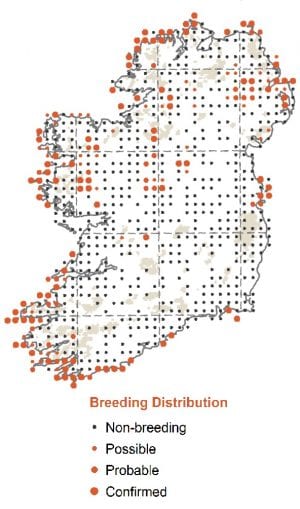
Breeds colonially, often with other gull species especially Herring Gull. Nests on the ground. Will use a variety of sites, including off shore islands, islands in inland lakes, sand dunes and coastal cliffs. Small numbers also nest on roof tops in Co. Dublin. Most colonies in Ireland are on the coast, mostly on the west coast. Most inland colonies are found in Co. Mayo and in Co. Donegal
Wintering
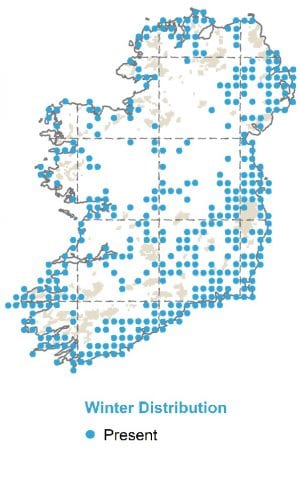
In the winter, the species is found in a wide variety of habitats both inland and along the south and east coasts. The largest numbers occur after the breeding season in autumn when migrating birds pass through Ireland in great numbers.
Monitored by
Wintering birds are monitored through the Irish Wetland Bird Survey. Breeding seabirds are monitored through breeding seabird surveys carried out every 15-20 years.
Largest breeding colonies are found around the West coast, but the species also breeds off the east coast on Lambay Island. Inland breeders can be seen on Lough Mask. Large numbers breed during September and October along the south coast, important sites include Ballycotton in Co. Cork, Dungarvan Harbour in Co. Waterford and the River Slaney in Co. Wexford.
Traditional Winter range in Africa, however the number of birds over-wintering in Ireland has been steadily increasing.
Blog posts about this bird
Summer Gull Guide
[vc_row type="in_container" full_screen_row_position="middle" column_margin="default" column_direction="default" column_direction_tablet="default" column_direction_phone="default" scene_position="center" text_color="dark" text_align="left" row_border_radius="none" row_border_radius_applies="bg" row_position_desktop="default" row_position_tablet="inherit" row_position_phone="inherit" overflow="visible" overlay_strength="0.3" gradient_direction="left_to_right" shape_divider_position="bottom" bg_image_animation="none"][vc_column column_padding="no-extra-padding" column_padding_tablet="inherit" column_padding_phone="inherit" column_padding_position="all" flex_gap_desktop="10px" column_element_direction_desktop="default" column_element_spacing="default" desktop_text_alignment="default" tablet_text_alignment="default" phone_text_alignment="default" background_color_opacity="1" background_hover_color_opacity="1" column_backdrop_filter="none" column_shadow="none" column_border_radius="none" column_link_target="_self" column_position="default" gradient_direction="left_to_right" overlay_strength="0.3" width="1/1" tablet_width_inherit="default" animation_type="default" bg_image_animation="none" border_type="simple" column_border_width="none" column_border_style="solid"][vc_column_text css="" text_direction="default"]One of the first fun facts you learn as a birder is that there is technically no such thing as a ‘seagull’. While there are dozens of gull species, none of them are specifically named seagull. Shocking, we know.
So, if you're a little behind on your gull identification, don't worry. Ireland is a hotspot for many visiting and resident gull species for you to get to know. Here are some species you might see this summer and how to tell them apart. Just to note, these tips are for adult gulls, juvenile and young birds are a whole other ballgame!

A white head, yellow beak, grey wings with black and white tips. Their legs are yellow green, though juveniles have pink legs. Despite their name Common Gulls are only our fourth most common Gull in Ireland. Their breeding colonies are primarily on lakes and coastal islands in the west, with some on the east coast in Dublin, but we get thousands spending the winter here from Scandinavia and northern Europe.
Next up, we have the Kittiwake, which is technically our only actual sea gull, as they are the only ones that are strictly marine. Their appearance is almost the same as Common Gulls, but Kittiwake feet are much darker, and their wings lack any white mirrors and only show a solid black wing tip.
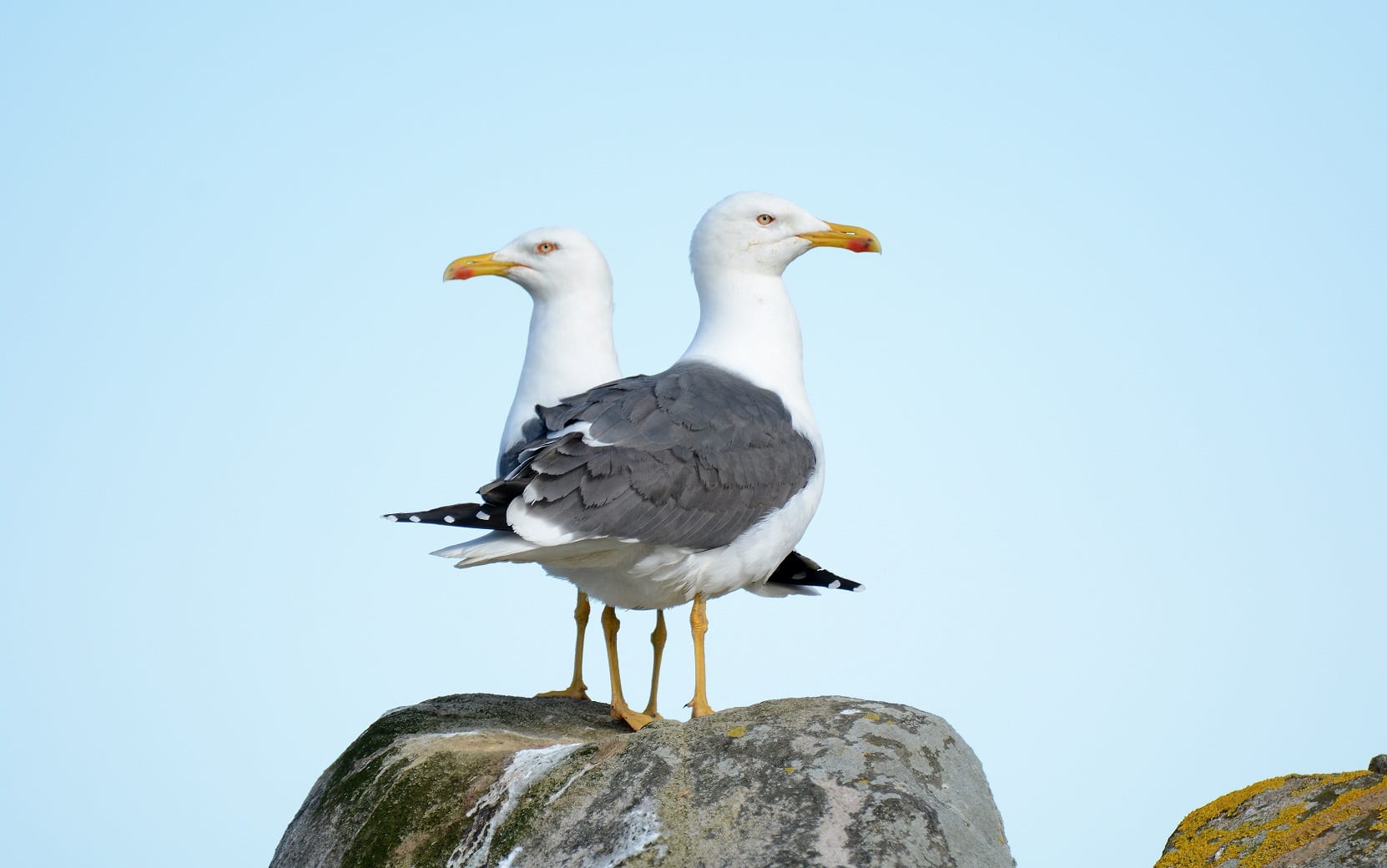
The Lesser Black-backed Gull has dark grey upper parts, along with the black tipped wings with ‘mirrors’. These gulls look and resemble the Herring Gull, but they have a much darker back and yellow legs. Lesser gulls are also coastal like Herring Gulls, but unlike the latter, Lesser gulls nest in large numbers on some inland lakes.
The only other black-backed gull we have in Ireland is the Great Black-backed Gull, which are much bigger, have a chunky bill, and are almost all coastal.
Despite its name, Black-headed Gulls only have black (actually dark brown) heads during the summer months. They are slightly smaller than a Common Gull but can be easily distinguished by the thick white leading edge to outer wing, which can be seen at some distance. A blackish area bordering the white leading edge of the underwing is also evident. These gulls can be seen both on the coasts and inland throughout Ireland. Black-headed Gulls are actually our most numerous gull species, both during the breeding season when they nest on inland lakes, ponds and bogs, and in winter when our Irish-breeding birds are joined by individuals from the UK, northern Europe, Scandinavia and even as far away as Russia. In winter you’ll find them all over the country, on the coast and inland lakes, in parks and towns, and feeding in grassland fields.
A recent colonist, the Mediterranean Gull arrived in Ireland in 1995 and first bred in the Republic in 1996 in Co. Wexford. The largest colony is now at Lady’s Island Lake in Wexford – an NPWS conservation project, managed in recent years by BirdWatch Ireland. Small numbers also nest on inland lakes in Black-headed Gull colonies. They appear to look like the Black-headed Gull but show a distinctive all black hood, compared to the choclatey brown hood of the black-headed gull, which reaches further down the back of the head and neck. Unlike any of the other gulls listed so far, the Mediterranean Gull has an all-white outer wing.
There are a handful of other species you may see soaring around, but keep your eyes peeled for some of the tips and tricks you've learned so far. To learn more about bird, visit our page for a List of Ireland's Birds. [/vc_column_text][/vc_column][/vc_row]
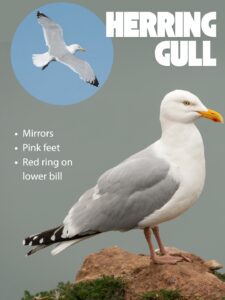
Herring Gull
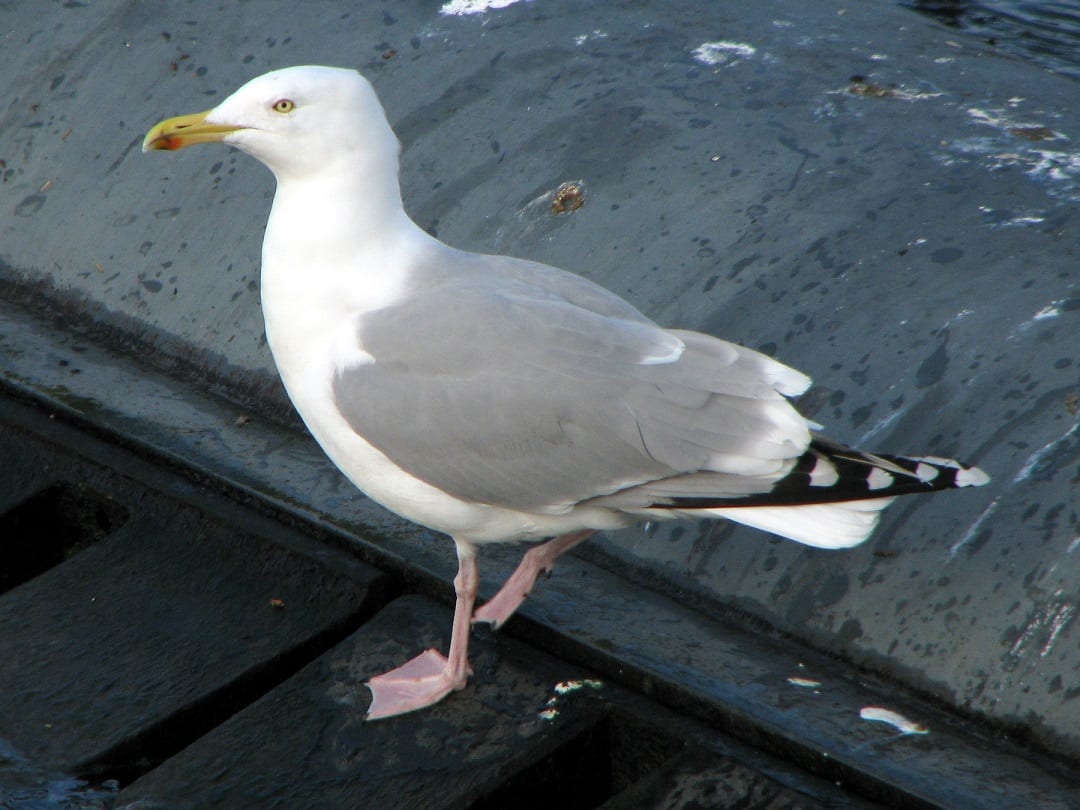
For beginning birders, when you close your eyes and picture a gull, the description of a Herring Gull is probably what you're imagining. Adults have white heads and light grey upper wings with black tips with white tips during the summer (pro tip: the whites at the very tips surrounded by black are called 'mirrors'). One of the most defining features is the orange spot on the lower bill and their pink feet. The largest colony of these gulls live on Lambay Island, though they can be seen throughout the coasts of Ireland. They’re also the main urban-nesting gull in Ireland and breed in our cities and as far inland as Athlone (though in small numbers).Common Gull
A white head, yellow beak, grey wings with black and white tips. Their legs are yellow green, though juveniles have pink legs. Despite their name Common Gulls are only our fourth most common Gull in Ireland. Their breeding colonies are primarily on lakes and coastal islands in the west, with some on the east coast in Dublin, but we get thousands spending the winter here from Scandinavia and northern Europe.
 Common Gull
Kittiwake
Next up, we have the Kittiwake, which is technically our only actual sea gull, as they are the only ones that are strictly marine. Their appearance is almost the same as Common Gulls, but Kittiwake feet are much darker, and their wings lack any white mirrors and only show a solid black wing tip.
 Kittiwake
Lesser Black-backed Gull
The Lesser Black-backed Gull has dark grey upper parts, along with the black tipped wings with ‘mirrors’. These gulls look and resemble the Herring Gull, but they have a much darker back and yellow legs. Lesser gulls are also coastal like Herring Gulls, but unlike the latter, Lesser gulls nest in large numbers on some inland lakes.
The only other black-backed gull we have in Ireland is the Great Black-backed Gull, which are much bigger, have a chunky bill, and are almost all coastal.
 Lesser Black-backed Gull
Black-headed Gull
Despite its name, Black-headed Gulls only have black (actually dark brown) heads during the summer months. They are slightly smaller than a Common Gull but can be easily distinguished by the thick white leading edge to outer wing, which can be seen at some distance. A blackish area bordering the white leading edge of the underwing is also evident. These gulls can be seen both on the coasts and inland throughout Ireland. Black-headed Gulls are actually our most numerous gull species, both during the breeding season when they nest on inland lakes, ponds and bogs, and in winter when our Irish-breeding birds are joined by individuals from the UK, northern Europe, Scandinavia and even as far away as Russia. In winter you’ll find them all over the country, on the coast and inland lakes, in parks and towns, and feeding in grassland fields.
 Black-headed Gull
Mediterranean Gull
A recent colonist, the Mediterranean Gull arrived in Ireland in 1995 and first bred in the Republic in 1996 in Co. Wexford. The largest colony is now at Lady’s Island Lake in Wexford – an NPWS conservation project, managed in recent years by BirdWatch Ireland. Small numbers also nest on inland lakes in Black-headed Gull colonies. They appear to look like the Black-headed Gull but show a distinctive all black hood, compared to the choclatey brown hood of the black-headed gull, which reaches further down the back of the head and neck. Unlike any of the other gulls listed so far, the Mediterranean Gull has an all-white outer wing.
There are a handful of other species you may see soaring around, but keep your eyes peeled for some of the tips and tricks you've learned so far. To learn more about bird, visit our page for a List of Ireland's Birds. [/vc_column_text][/vc_column][/vc_row] Mediterranean Gull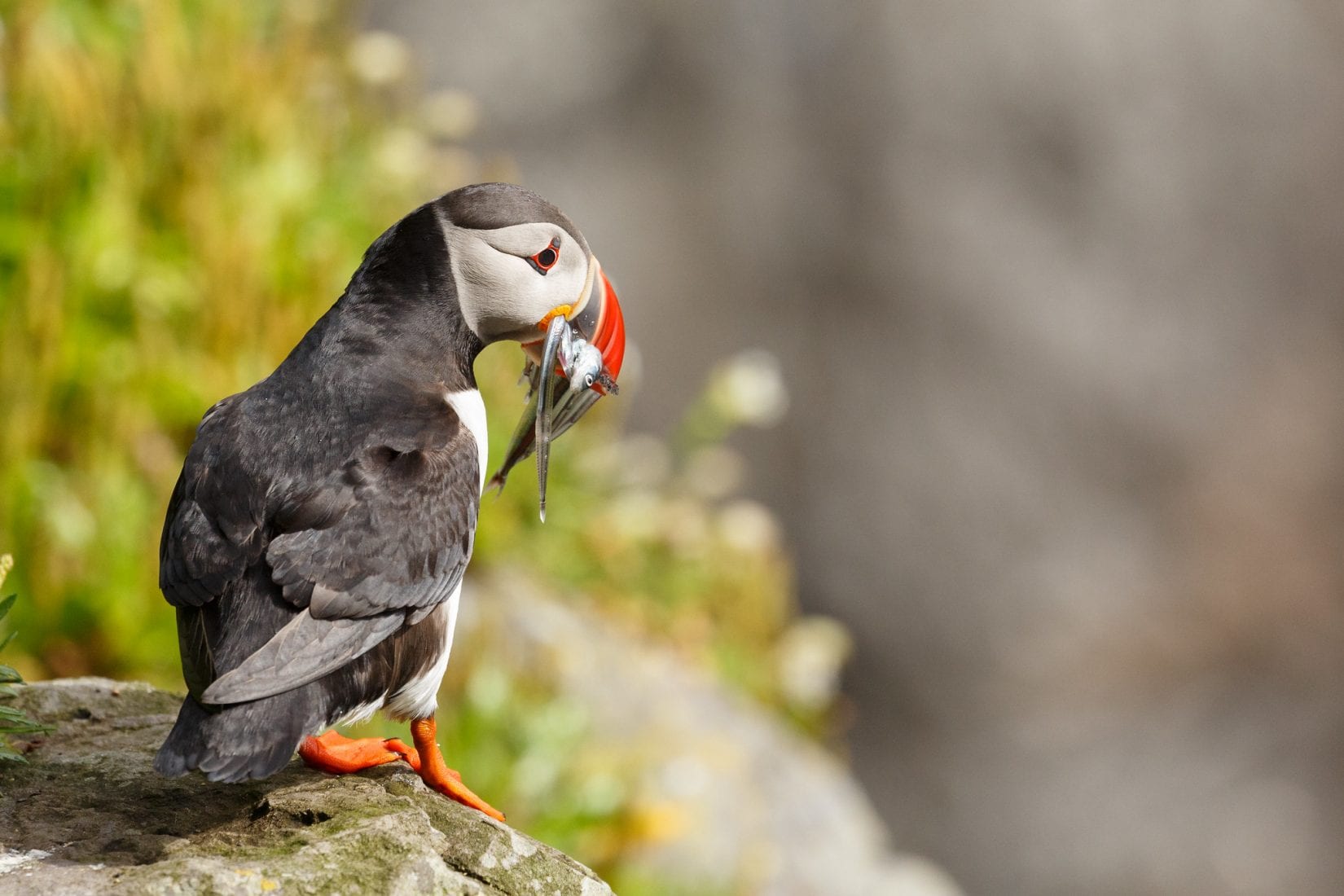
New protected area off Wexford coast is a step forward for vulnerable seabirds
The recent announcement of the new “Seas off Wexford” Special Protection Area (SPA) is certainly news to be welcomed.
For such a designation to be as effective as it can be, it is crucial that strong and effective conservation objectives and management plans are ambitious and that stakeholders are consulted throughout the process. It would be most welcome if the designation of new marine SPAs also led to a new vision for management of Ireland’s entire network of SPAs. BirdWatch Ireland calls on government to ensure that management plans are put in place for SPAs on both land and sea and that a whole-of-government approach is taken to implement them properly to safeguard the future of the birds they are intended to protect.
Minister for Housing, Local Government and Heritage Darragh O’Brien recently designated the new SPA of marine waters off the coast of Wexford which, at over 305,000 hectares, is the largest SPA designated in the history of the state. These waters provide extremely important food sources for seabirds, including Red-listed species such as Puffin, Kittiwake, Common Scoter and many other vulnerable Amber-listed species such as Fulmar, Manx Shearwater, Shag, Cormorant, Black-headed Gull, Lesser Black-backed Gull, Herring Gull, Roseate Tern, Red-throated Diver, Gannet, Common Tern, Little Tern, Sandwich Tern, Mediterranean Gull and Guillemot.


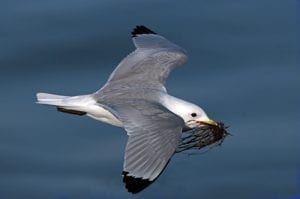
Kittiwake. Photo: Colum Clarke.
Under EU legislation, the Irish government has made a commitment to designate 10% of its waters as protected by 2025, and a total of 30% by 2030. This new designation increases the percentage of Ireland’s marine protected waters to 9.4%, just under the 2025 target. While this is certainly a step in the right direction, many questions remain, primarily, what will “protection” look like in practice? It is paramount that this is made clear in the soon-to-be-published SPA’s conservation objectives, which should detail the activities that will and will not be permitted in the SPA, among other measures. We look forward to reading them shortly. At the same time, BirdWatch Ireland in collaboration with BirdLife Europe and BirdLife International are mapping Ireland’s marine Important Bird Areas according to international and standardised BirdLife International criteria under a project funded by the Flotilla Foundation. This is an important time for our seabirds and it is welcome to see the government’s focus finally on setting out protected areas for them.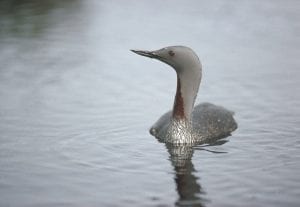
Red-throated Diver. Photo: Chris Gomersall
While the finer details about the Wexford SPA have yet to come to light, it is clear that certain activities will not be permitted in the Wexford SPA. The Minister has issued a Direction in relation to certain activities, which must not be carried out within or close to the SPA, unless consent is lawfully given. The listed activities are reclamation including infilling; blasting, drilling, dredging or otherwise disturbing or removing fossils, rock, minerals, mud, sand, gravel or other sediment; introduction or reintroduction of plants or animals not found in the area; scientific research which involves the removal of biological material; any activity intended to disturb birds; undertaking acoustic surveys in the marine environment and developing or consenting to the development or operation of commercial recreational/ visitor facilities or organised recreational activities.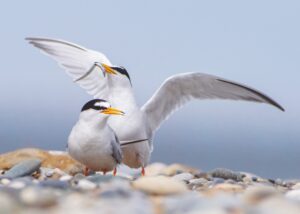
Little Terns.
Together with our partners at Fair Seas – a coalition of Ireland’s leading environmental NGOs and environmental networks of which BirdWatch Ireland is a founding member – we have been calling for the government to meet their targets, but this alone is not enough. More action must be taken in order for us to adequately protect these important marine habitats and the many species that they support. Any move to better protect important habitats for birds is to be welcomed, and this is certainly no different. We are urging the Irish government to be ambitious in their plans for this new SPA and stress the need for focused community engagement in the surrounding areas. We also continue our urgent calls for the publication of the long-awaited Marine Protected Areas (MPA) Bill.